
Practical Feeding Guide for Senior Cats: Real-Life Tips for Worried Cat Parents
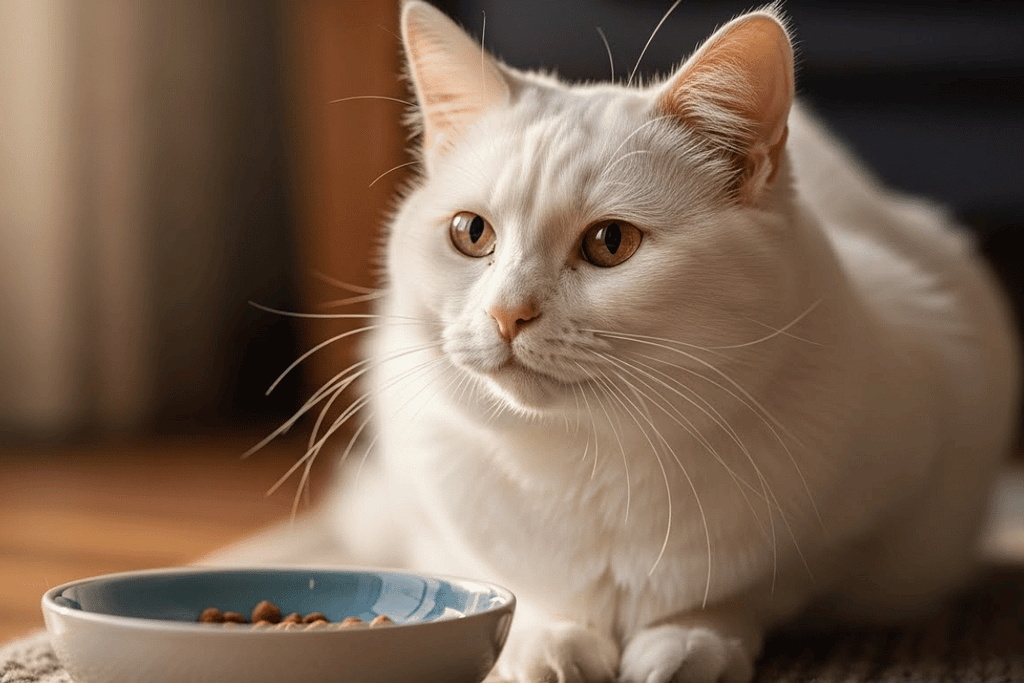
Feeding for senior cats gets easier when you understand that older cats have different profiles. This guide offers practical nutrition and feeding strategies tailored to chubby, skinny, low-mobility, and chronically ill senior cats—so your companion eats comfortably and consistently in real life.
Feeding older cats often becomes surprisingly emotional. One week your cat eats normally; the next, they’re chewing slower, leaving food behind, or looking slightly thinner—or rounder. Suddenly feeding for senior cats feels like a daily test of your judgment:
“Are they eating enough?”
“Is this really the right food?”
“Why does feeding feel harder now?”
Online advice doesn’t help much — contradictory opinions, long ingredient debates, endless “best senior food” lists. And in real life, you’re just trying to keep your cat eating happily, steadily, and without stress.
This guide is meant to be calm, practical, and emotionally aware. It’s not about perfection. It’s about understanding your senior cat’s needs, creating a feeding routine that supports their aging body, and making small adjustments that truly matter.
You’re already paying attention — and that’s one of the most important parts of senior cat nutrition. ??
? Senior Cats Are Not All the Same: Profiles That Shape Feeding for Senior Cats
When discussing feeding for senior cats, many people focus only on age — 7+, 10+, 15+. But senior cats vary wildly.
Thinking in profiles is far more helpful than thinking in years:
?Chubby Couch Potato Senior
Traits:
- Spends most of the day sleeping
- Moves slowly, avoids high-energy play
- Gains weight easily
Main risks:
Obesity, diabetes, joint strain, fatty liver disease
This cat needs gentle calorie management, not a harsh “diet”.
?⬛ Skinny but Restless Senior
Traits:
- Eats, sometimes a LOT
- Still loses weight
- Often vocal, restless, hungry
Main risks:
Hyperthyroidism, malabsorption, muscle loss
These cats often need more calories, not less — and medical checks are essential.
? Fragile, Low-Mobility Senior
Traits:
- Stiff, arthritic, slow to move
- Tires easily walking to bowls
- May skip meals due to physical discomfort
Main risks:
Under-eating due to pain or effort
Muscle wasting
Dehydration
This cat needs environmental support as much as nutrition.
? Senior With a Chronic Disease
Traits:
- Kidney disease, diabetes, IBD, heart disease, etc.
- Appetite fluctuates
- Food choices feel stressful
Main risks:
Confusion about diet rules
Strict diets that the cat refuses to eat
Inconsistent intake
These cats benefit from flexible thinking and vet-guided priorities.
? What “Good Enough” Nutrition Looks Like When Feeding for Senior Cats
Before choosing brands or debating ingredients, these are the basics:
✔️ Complete & Balanced (AAFCO or FEDIAF)
Means the food covers essential nutrients. This is non-negotiable.
✔️ Quality Protein (not low protein)
Senior cats actually need more protein than young adults to preserve muscle.
✔️ Calorie Awareness
Different senior profiles need different calorie densities.
- Chubby seniors → moderate calorie
- Thin seniors → higher calorie
✔️ Moisture-Rich Options
Wet food helps with hydration and digestion, and is often easier to chew.
✔️ Digestibility
Older stomachs appreciate simpler, gentler formulas.
✔️ Palatability & Consistency
A “perfect” food that your cat refuses is not perfect.
Stability matters.
?️ Feeding for Senior Cats: Strategies for Each Senior Profile
?️ The Chubby Couch Potato Senior (feeding for senior cats who gain weight easily)
These cats aren’t lazy — they’re simply older, slower, and often bored.
Goals:
- Prevent further weight gain
- Support joints
- Maintain muscle
Deep-dive strategies:
- Choose foods moderate in calories but not low in protein (low protein = muscle loss).
- Split daily portions into 3–4 meals to reduce begging and stabilize hunger.
- Add gentle enrichment:
- ultra-simple puzzle feeders
- slow feeders
- scatter feeding in a small, safe area
- Avoid free-feeding (unlimited kibble).
- Track weight monthly — small gains can sneak up fast.
A chubby senior cat needs structure, not restrictions.
?⬛ The Skinny but Restless Senior (feeding older cats who lose weight)
These cats often eat well but still drop weight.
Goals:
- Increase usable calories
- Preserve muscle
- Investigate medical causes
Deep-dive strategies:
- Offer calorie-dense wet foods or mix wet + dry (if approved).
- Feed 3–5 small meals to help absorption.
- Try warmer food to improve appetite.
- Add an evening mini-meal to help overnight hunger.
- Weigh every 2–4 weeks (thin seniors can decline fast).
RED FLAG:
A cat who eats well but loses weight almost always needs:
- hyperthyroid check
- GI panel
- dental exam
Food helps, but diagnosis protects your cat.
? The Fragile, Low-Mobility Senior (feeding routines for senior cats with arthritis)
Low-mobility seniors often WANT to eat — it’s just hard to get there.
Goals:
- Reduce physical effort
- Make eating comfortable
- Encourage intake
Deep-dive strategies:
- Place bowls near resting areas (not just in the kitchen).
- Provide non-slip mats leading to the feeding station.
- Elevate bowls slightly for neck pain.
- Use smooth textures like pâté.
- Avoid high-activity puzzles — choose gentle mental stimulation instead.
Environmental changes can double their intake.
? The Senior With Chronic Disease (how to feed senior cats with medical needs)
This is where anxious cat parents feel most lost.
Let’s simplify:
Chronic Kidney Disease (CKD)
Focus:
- Hydration
- Appetite
- Phosphorus control (if vet recommends)
Practical tips:
- Mix warm water into wet food
- Use appetite stimulants if prescribed
- Offer renal diets gradually — taste is key
Sometimes “eat anything today” is better than “eat nothing but renal food”.
Diabetes
Focus:
- Consistent feeding times
- Vet-guided carb management
Practical tips:
- No free-feeding kibble (unless vet approves)
- Wet food often helps stabilize intake
IBD or sensitive stomachs
Focus:
- Digestibility
- Stable ingredients
- Smooth textures
Practical tips:
- Avoid weekly brand hopping
- Keep meals small and frequent
Arthritis / Pain
Focus: comfort & access
Practical tips:
- Keep bowls close
- Elevate them
- Use soft mats for traction
Pain management = better appetite.
? Texture, Temperature & Presentation: How to Make Food Appealing Again
Small adjustments can completely transform feeding for senior cats.
✔️ Texture
- Mash chunks with warm water
- Use pâté for dental pain
- Try mousse for very fragile seniors
✔️ Temperature
- Slightly warm food (never hot!)
- Enhances aroma → better appetite
✔️ Bowls
- Wide + shallow bowls prevent whisker stress
- Weighted bowls stop sliding
- Elevated bowls help arthritic cats
Your cat isn’t “picky” — they’re aging.
?♀️ Feeding Routines That Truly Support Senior Cats
Routine matters as much as the food.
? Frequency
Most senior cats thrive with:
- 3–4 small meals
- predictable timing
- optional bedtime snack
? Environment
Choose a quiet, low-stimulation area:
- away from appliances
- away from noisy doorways
- away from litter box
? Multi-cat homes
- Separate stations
- Higher stations for younger cats
- Protected low stations for seniors
? Emotional climate
Feeding older cats requires calm energy.
Rushed feeding → skipped meals.
? Senior Cat Feeding Checklist (Expanded)
Use this every month:
Appetite & Eating
- Are they finishing meals?
- Has intake changed suddenly?
Weight
- Is weight stable in the last 30 days?
- Are ribs more noticeable?
Access & Comfort
- Do they hesitate to reach bowls?
- Is bending uncomfortable?
Hydration
- Are they eating wet food?
- Drinking excessively (possible kidney issue)?
Medical Signals
- Vomiting?
- Constipation?
- New vocalization?
One “yes, that’s concerning” → vet appointment.
? Example Daily Feeding Routine (Expanded)
7:30 AM — Wet Meal #1
Small, warm, aromatic meal.
Check mood + appetite.
12:30 PM — Light Snack
Wet or measured dry.
Helps thin or restless seniors.
6:30 PM — Main Meal
Wet or wet + dry combo.
Calmer environment → better intake.
10:00 PM — Optional Snack
Especially for:
- hyperthyroid cats
- thin seniors
- cats who wake you at 4 AM
Small routines create predictability — and predictability creates safety.
? The Emotional Side: You’re Not Failing Your Cat
Feeding a senior cat is not just nutrition — it’s love and fear and tenderness mixed together.
You worry because you care.
You adjust because you love.
You search for answers because they matter to you.
And that is exactly why your cat is lucky.
You don’t need perfection.
You just need patience, observation, gentleness, and small, steady adjustments.
Your senior cat doesn’t need the “best” food.
They need you, noticing them, adapting to them, loving them through every stage of aging. ??
? Want to Keep Supporting Your Senior Cat?
Explore these helpful guides:
1️⃣ How to Create a Safe Home for Senior Cats With Mobility Issues
Simple, affordable ways to make your home gentler for aging bodies.
2️⃣ Senior Cat Care Guide (10+ Years)
Your warm, practical blueprint for caring for older cats with confidence.
## ? More Expert Guidance for Your Senior Cat
Trusted veterinary resources to deepen your care
- Cornell Feline Health Center (senior cat care)
- International Cat Care (caring for older cats)
❓ FAQ — Feeding for Senior Cats
1. How often should I feed a senior cat?
Most senior cats do best with 3–4 small meals per day. Smaller, predictable portions help digestion, stabilize appetite, and prevent overeating or long hunger gaps.
2. What is the best type of food for senior cats?
There isn’t one universal “best,” but most older cats benefit from wet food because it’s softer, easier to chew, more hydrating, and more aromatic. The key is choosing complete and balanced food your cat will actually eat.
3. How can I make food more appealing for my older cat?
Try warming the food slightly, switching to softer textures, mashing chunks with warm water, or using wide shallow bowls. Many seniors respond well to a gentler presentation.
4. Why is my senior cat losing weight even though they eat well?
This is a common sign of conditions like hyperthyroidism, dental pain, or gastrointestinal issues. If your cat is eating but still losing weight, schedule a vet check — food changes alone won’t fix it.
5. How do I know if my senior cat is eating enough?
Monitor weight every 2–4 weeks and observe body shape (especially ribs and spine). Sudden changes in appetite, leftover food, or noticeable weight loss mean it’s time to call your vet.
6. Should senior cats eat only senior-labeled food?
Not necessarily. “Senior” is often a marketing term. Many older cats do well on adult or all-life-stage foods as long as they’re complete, balanced, appropriately caloric, and easy to eat.
7. When is it time to talk to the vet about feeding changes?
If your senior cat shows weight loss, vomiting, constipation, increased thirst, reduced appetite, or struggles reaching the bowl, it’s time for a veterinary conversation. Early guidance makes feeding for senior cats much easier.

With the sensitivity of one who loves deeply, Sissi writes stories celebrating the animal world. Her felines Estrela and Safira illuminate her days, while Pete and Gabrich live eternally through her words. Every piece she writes is a love letter to the companions who make life truly meaningful.