
Senior Cat Litter Types Guide: Best Options for Older Cats
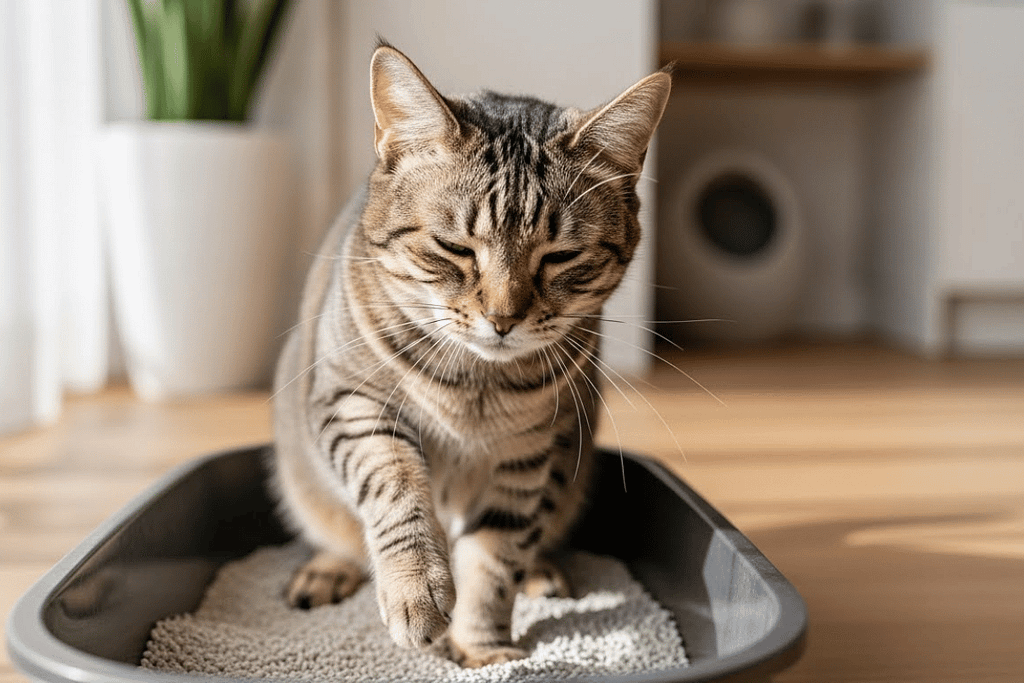
Senior cat litter isn’t just about softness or low dust. Older cats need substrates chosen for mobility, arthritis, respiratory needs and cognitive changes. This guide explains litter types by medical and behavioral profiles, showing how stability, traction and ease of digging prevent pain-related litter box avoidance.
Younger cats enter the litter box with fluid confidence: step in, dig, turn, bury, leave. Senior cats approach the litter box like unpredictable terrain. Aging changes joint load, proprioception, balance, muscle strength and sensory processing — and with it, the type of litter their bodies can safely use.
How aging affects mobility and balance
Older cats frequently experience reduced hind limb strength, limited mobility when turning or digging, joint stiffness, decreased balance and trouble maintaining traction. The wrong litter type can increase discomfort, instability and even cause falls inside the box.
Sensory decline and increased paw sensitivity
Soft, gritty or rolling surfaces may suddenly feel too harsh, too unstable, too noisy or too deep for an older cat.
Slower digging and careful squatting
Senior cats tend to dig less, scratch shallowly, rely on box walls for support and prefer surfaces that stay predictable under their paws.
Why “just use soft litter” isn’t enough
Softness does not guarantee stability. Seniors need substrate that is soft, but still firm enough for secure footing.
? Health Conditions That Influence Senior Cat Litter Choice
Arthritis and degenerative joint disease
Arthritis affects squatting, turning, weight distribution and traction. Litter that shifts, rolls or demands effort to dig can increase pain.
Kidney disease, FLUTD and urinary urgency
Cats with kidney disease, urinary issues or frequent urination need substrates that allow rapid access and comfortable elimination, even on days when they feel weak.
Respiratory sensitivities
Senior cats may react strongly to dust, silica particles, fragrances and airborne debris. Low-dust litter is essential for asthma or chronic bronchitis.
Cognitive decline
Cats with cognitive dysfunction may get confused by deep litter, unfamiliar substrates or boxes that require extra effort to enter.
? Senior Cat Litter Needs vs Young Adult Litter Needs
Stability over depth
Older cats prefer a surface that doesn’t collapse or sink under weight.
Softer grains, but not too sinking
Seniors need soft textures, but with enough firmness to prevent instability.
Traction matters
Secure turning and stable squatting reduce pain and hesitation.
Quiet litter reduces stress
Hard, noisy substrates like pellets or crystals can startle anxious seniors.
Predictability equals comfort
A predictable floor helps seniors feel safe and confident.
? Best Senior Cat Litter Types (Pros, Cons & Ideal Profiles)
Fine or Extra-Fine Clumping Clay
Pros: soft, predictable, easy to dig.
Cons: can sink if too deep, moderate tracking.
Best for: mild arthritis, sensitive paws, moderate diggers.
Medium-Grain Plant-Based Litter (corn, wheat, tofu granules)
Pros: blends softness with stability, quiet, good traction.
Cons: odor control varies by brand.
Best for: arthritis, obesity, reduced mobility.
Low-Dust Mineral Litter
Pros: excellent for respiratory seniors, gentle digging.
Cons: may feel firmer than plant-based.
Best for: asthma, bronchitis, fragrance-sensitive seniors.
Soft Biodegradable Granules
Pros: very soft, low-impact, quiet.
Cons: may feel unstable if too deep.
Best for: declawed seniors, anxious seniors, tactile-sensitive cats.
Wood or Paper Pellets
Pros: low dust, eco-friendly.
Cons: hard, loud, unstable, difficult to dig.
Best for: rarely ideal for seniors.
Silica Crystals
Pros: high absorption.
Cons: noisy, hard, sharp pressure points.
Best for: typically not recommended for older cats.
? Senior Cat Litter Profiles (Choosing Substrate by Health Condition)
The Arthritic Senior
Needs stability, traction and medium or fine grain.
Avoids pellets and deep, shifting litter.
The Respiratory Senior
Needs ultra low-dust, fragrance-free substrates.
The Renal Senior
Needs high absorption, easy cleaning and boxes placed closer to resting areas.
The Cognitive Senior
Needs predictable textures, shallow litter and slow transitions.
The Obese or Mobility-Impaired Senior
Needs firm footing, medium grain, wide boxes and strong traction.
The Declawed Senior
Needs ultra-soft, non-abrasive substrates.
? Senior Cat Litter Box Setups That Improve Comfort and Stability
Low-entry or front-entry boxes
Reduce joint strain and make stepping in easier.
Larger boxes
Provide a safer turning radius for stiff or weak cats.
Anti-slip mats
Prevent slipping when entering or exiting.
Ramps or steps
Support seniors with arthritis, obesity or hind leg weakness.
Boxes closer to living areas
Older cats often lack the strength to travel long distances.
? Behavioral Signs Your Senior Cat Is Struggling With the Current Litter
- slow, deliberate entry
- leaning on box walls
- reduced digging
- half-squatting
- wobbling or losing balance
- quick exit
- accidents near the box
- vocalizing before or after elimination
These behaviors often reflect pain, instability or confusion.
? How to Test New Litter Types for Senior Cats
The 2-Box Senior Comfort Test
Use two identical boxes with different substrates and observe which one your cat chooses, how confidently they dig and whether they return voluntarily.
The Soft Pressure Paw Test
The surface should compress gently without collapsing.
The Dust Shake Test
Shake the litter: visible dust clouds mean it isn’t senior-friendly.
The 5-Day Senior Transition Method
Day 1–2: 80% old litter
Day 3–4: 50/50
Day 5: 100% new
Cats with cognitive decline may need more time.
?️ Simple Adjustments Before Changing Litter Completely
- reduce depth
- stabilize the box
- add a softer top layer
- improve lighting
- move the box closer to resting areas
Sometimes the issue isn’t the substrate, but the overall experience.
⛑️ When to Seek Veterinary or Behavioral Help
- sudden litter box refusal
- vocalization during elimination
- persistent accidents
- difficulty squatting
- signs of urinary disease
- confusion or distress inside the box
Medical evaluation is essential if behavior changes suddenly.
❤️ Insights From Senior Cats in Real-Life Care
Based on behavioral observations from senior rescue cats featured on acatwithstory.com, we’ve seen that substrate stability, traction loss and increased paw sensitivity strongly influence litter box confidence. Older cats consistently prefer predictable, low-dust surfaces with gentle pressure distribution. These findings align with feline welfare guidelines, senior behavior assessment protocols and ISFM recommendations for geriatric environmental care.
❓ Senior Cat Litter FAQ
What is the best senior cat litter?
Fine or medium-grain low-dust litter that offers stability and comfort.
Why do older cats avoid the litter box?
Arthritis, instability, deep litter and respiratory irritation can cause avoidance.
Is clumping litter safe for senior cats?
Yes, if it’s soft, stable and low-dust.
Should senior cats use pellet litter?
Usually not — pellets are noisy, hard and unstable for older paws.
? Want to Go Deeper Into Litter Choices for Cats?
If you’d like to explore more, these guides expand the concepts discussed here:
Cat Litter Texture Guide — Grain Size, Paw Sensitivity & Stability Explained
(your cat’s texture preferences start here)
Cat Litter Guide 2026 — Complete Substrate Science for Modern Cat Homes
(foundation of substrate behavior, stability and grain mechanics)
? External Authoritative Links
- AAHA Feline Behavior & Environmental Resources
(evidence-based recommendations for comfort and welfare)
These resources complement the senior cat litter guide and help you build a predictable, pain-free elimination environment for aging cats.

With the sensitivity of one who loves deeply, Sissi writes stories celebrating the animal world. Her felines Estrela and Safira illuminate her days, while Pete and Gabrich live eternally through her words. Every piece she writes is a love letter to the companions who make life truly meaningful.