
?Cat Body Language Guide: The 7-Step Method to Read Any Cat
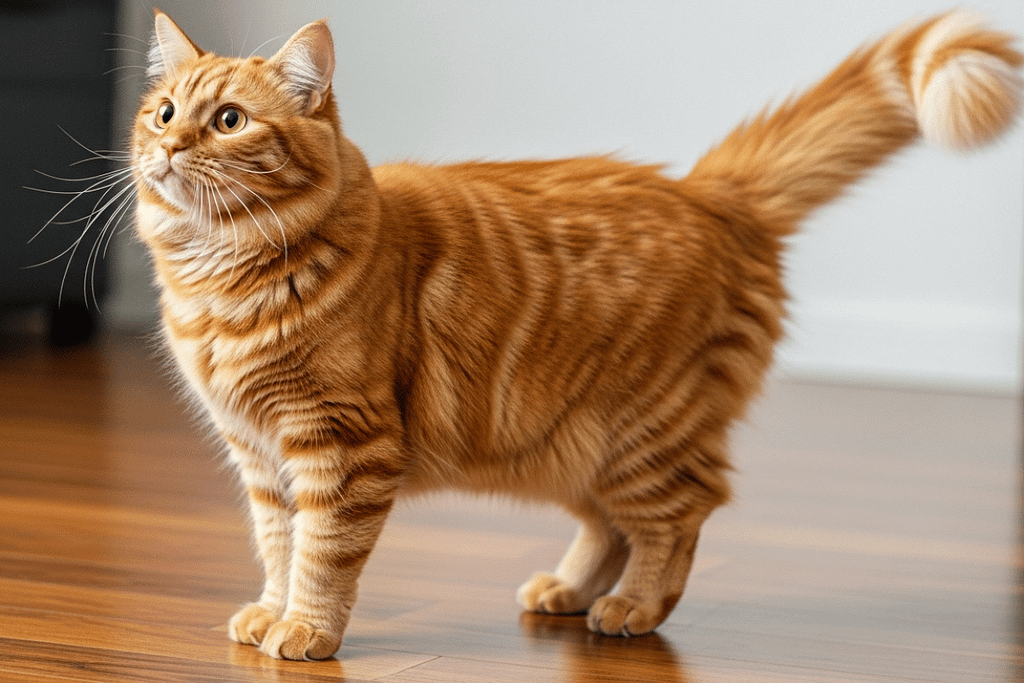
A cat body language guide helps you understand your cat by interpreting multiple signals together. Instead of reading tail, ears, eyes, whiskers, posture, sounds, and context separately, this method shows how to combine them in real time to recognize comfort, stress, or overstimulation before behavior escalates.
? Introduction — You Don’t Need to Fix Your Cat. You Need to Learn to Read Them.
Most guardians know the basics of feline body language — tail positions, ears, eyes, posture.
And yet, confusion is still incredibly common:
“Why does my cat bite out of nowhere?”
“Is this happiness or irritation?”
“Is he playing or getting overwhelmed?”
The truth is simple:
? Knowing what one signal means is not enough.
? You must learn to read multiple signals together, in real time.
Most people have fragments of information, but no system of observation.
And that’s exactly what this 7-step cat body language guide solves.
This is not a method to change your cat.
This is a method to change how you understand your cat.
When your reading becomes clear, the behavior stops looking like a “problem.”
Your cat doesn’t change.
Your perception does.
❓ What This Method Is (And What It Isn’t)
❌ Not:
- training
- behavior modification
- desensitization
- discipline
- a correction protocol
✔️ Yes:
A visual literacy system for cat guardians.
Each step is a type of observation:
- tail
- emotional triangle
- posture
- sounds
- context
- micro-adjustments
- daily reading routine
You learn to see what was always there — in an integrated, conscious, repeatable way.
? Who This Method Helps
This guide is ideal for guardians who:
✔️ Get confused by mixed signals
✔️ Want to avoid overstimulation bites
✔️ Feel their cat “switches moods suddenly”
✔️ Want calmer, clearer communication
✔️ Need to spot tension before it escalates
? THE 7-STEP CAT BODY LANGUAGE GUIDE
A complete reading system for any cat.
? Step 1 — The Tail: The First and Most Honest Signal
The tail is your cat’s emotional antenna — fast, honest, and expressive.
Deep Tail Reading
- ? Tail up, gentle curve: confidence, friendliness
- ➖ Horizontal tail: neutral and open
- ? Lowered tail: caution or uncertainty
- ? Strong swishing: irritation rising
- ⚡ Tip flicking: micro-tension
- ? Tail tucked: fear, pain, shutdown
Why this step matters
The tail shows the direction of the emotional moment — where things are heading.
Your role
Pause, slow down, or continue depending on the tail’s story.
? Step 2 — The Emotional Triangle: Ears, Eyes, Whiskers
The ears + eyes + whiskers form the cat’s real facial expression.
? Ears (Direction of Emotion)
- Forward → curiosity
- Neutral → safety
- Sideways → uncertainty
- Back → stress
- Flattened → defensive
? Eyes (Intensity of Emotion)
- Soft → relaxed
- Dilated → arousal
- Rapid blinking → mild tension
- Staring → focus
? Whiskers (Internal State)
- Forward → focus or excitement
- Relaxed → comfort
- Pulled back → stress, fear, or pain
Whiskers change first. They’re your earliest warning sign.
Why this step matters
The triangle reveals:
- direction
- intensity
- intention
Reading just one part of the triangle leads to misinterpretation.
Reading all three reveals the truth.
?⬛ Step 3 — Posture: The Whole Body Tells the Story
Posture shows what the cat feels in the body, not just emotionally.
Deep Posture Reading
- ? Loose body → relaxation
- ? Rigid muscles → accumulating tension
- ? Loaf position → comfortable but alert
- ? Low body, neck tucked → insecurity
- ? Arched back, fur raised → defensive
Why this matters
Posture is the emotional summary.
It confirms or contradicts what you saw in the triangle and tail.
Your role
Reduce intensity:
- sit lower
- shift sideways
- avoid looming
- allow space and choice
? Step 4 — Sounds: The Final Layer
Sounds only make sense when combined with body language.
Deep Sound Reading
- ? Chirps, trills → social invitations
- ? Short meows → communication
- ? Long meows → frustration or need
- ? Growls, hisses → boundaries
- ? Purring → comfort… or pain… or anxiety
Purring is never enough on its own. Always check the body.
? Step 5 — Context: The Master Key
The same signal can mean totally different things depending on:
- what just happened
- who else is there
- time of day
- energy level
- health
- age
Context reframes everything.
How meaning changes
- Dilated pupils at night → normal
- Dilated pupils during grooming → stress
- Tail flicking outside → prey drive
- Tail flicking on your lap → irritation
- Forward whiskers during play → engagement
- Forward whiskers at the vet → fear
? Going Deeper: Age Is Part of Context
Your cat’s age changes how every signal should be interpreted.
Kittens → fast, intense, playful
Adults → nuanced and balanced
Seniors → subtle signals, often related to comfort or pain
And here’s something many guardians don’t know:
? Over 55% of cats aged 11–15 experience cognitive changes (CDS)
These changes alter:
- whisker tension
- eye focus
- body stiffness
- vocalization patterns
- nighttime restlessness
- responsiveness
If you want to explore how age transforms communication:
⚙️ Step 6 — Micro-Adjustments: Responding Without Correcting
Micro-adjustments are small tweaks you make to support emotional safety:
- pause
- slow down
- soften your touch
- give space
- switch toys
- lower intensity
- let the cat reset
These are not training techniques.
They are interaction management.
Why this matters
When humans adjust early, cats don’t need to escalate.
? Step 7 — Daily Reading Routine: The Path to Fluency
Reading your cat becomes natural through repetition.
Daily Routine Blueprint
☀️ Morning — silent observation
? Afternoon — mindful play
? Evening — calm bonding
? Weekly — pattern review
Why this transforms everything
This is where:
- details become patterns
- patterns become intuition
- intuition becomes fluency
You stop guessing.
You start understanding.
? Ready to Go Deeper?
Does your cat’s age change how you should read these signals?
Absolutely. Young adults and seniors communicate differently, even with the same gestures.
If you want to understand age-specific signals:
? Cat Body Language Across Life Stages: From Kitten to Senior →
You’ll learn:
- how kittens differ from adults
- subtle shifts in senior cats
- early signs of CDS (55%+ of cats 11–15)
- when “normal” signals indicate health issues
❤️ Conclusion — The Method Doesn’t Change Your Cat. It Changes You.
Your cat has been speaking clearly all along.
Now you finally have the system to hear them.
When you read:
- integrated signals
- micro-expressions
- context
- intention
- emotional rhythms
…the relationship becomes softer, safer, and more deeply connected.
Your cat doesn’t change.
Your understanding does.
? Want to prevent bites and avoid overstimulation ?
Learn the 7-step cat interaction method to create calm, safe petting, play and grooming sessions Cat Interaction Method Guide .

With the sensitivity of one who loves deeply, Sissi writes stories celebrating the animal world. Her felines Estrela and Safira illuminate her days, while Pete and Gabrich live eternally through her words. Every piece she writes is a love letter to the companions who make life truly meaningful.