
?Cat Health Checkups: Why Routine Vet Visits are Essential
?Cat Health Checkups at a Glance
Early detection of hidden illnesses
Cats mask pain, so checkups catch issues like kidney disease, dental problems, or hyperthyroidism before symptoms appear.
Up-to-date vaccines and parasite prevention
Vaccines and monthly parasite control stop serious infections long before they begin.
Better management of chronic conditions
Regular monitoring allows vets to adjust treatments for diabetes, thyroid disease, or kidney issues, improving long-term quality of life.
Weight and nutrition oversight
Annual weigh-ins help prevent obesity, which raises risks for diabetes, joint pain, and heart disease.
Behavior changes explained
Sudden aggression, litter box issues, or nighttime crying often signal medical problems a vet can diagnose quickly.
Routine checkups are the simplest way to protect your cat’s long-term health and catch silent problems while they’re still easy to treat.
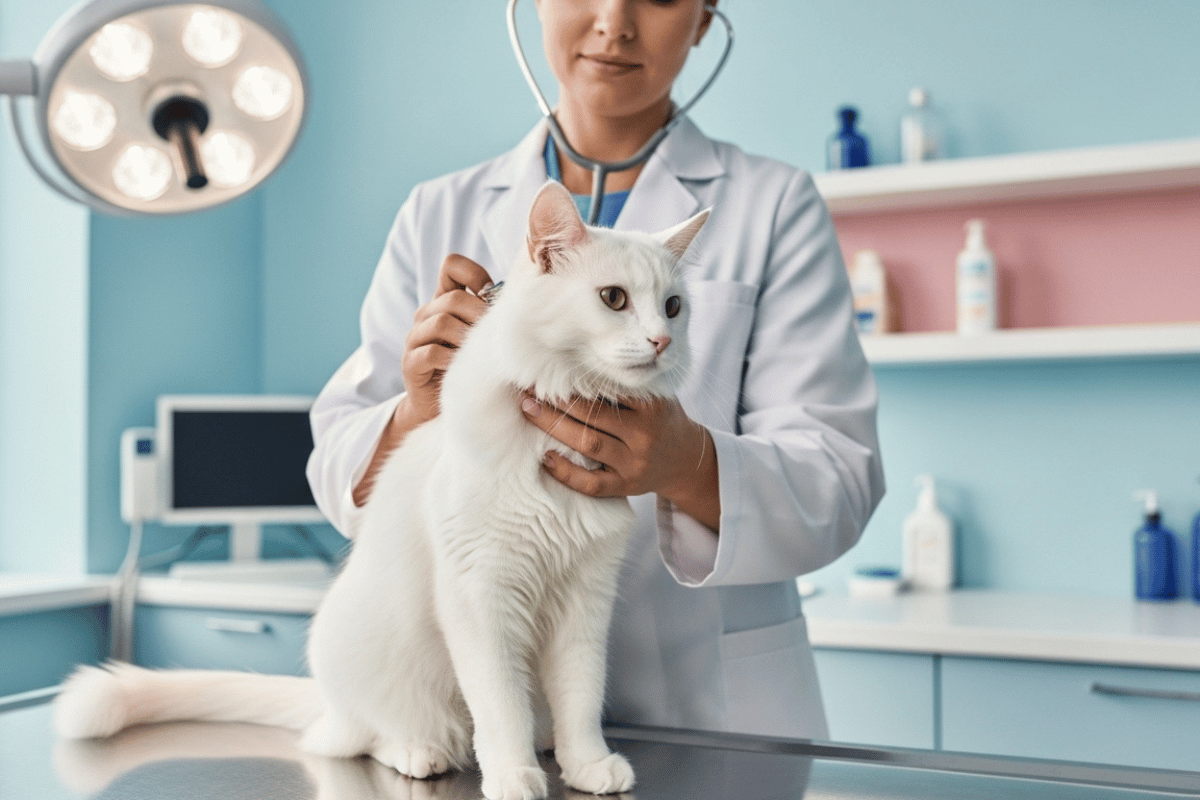
If you’re one of those who shares the sofa (and the bed!) with a feline, you know well: they aren’t just “pets,” they’re part of the furniture, the family, the soul! And, like any family member, their health is priority number one.
We know cats are masters of disguise. They come with a “survival chip” from their wild ancestors that makes them hide pain and discomfort like no one else. It’s like a ninja superpower, but kind of annoying when it comes to health! That’s why those regular vet visits aren’t just a “good idea”; they’re your secret weapon to ensure happy purrs for many, many years.
Curious about keeping your cat truly happy and healthy? ?
Check out our post “Health and Wellness Guide” to discover tips on nutrition, exercise, and lifestyle changes that will help your feline thrive every day!
??Essential Cat Health Checkups
It’s super easy to fall into the trap of “my cat’s great, why go to the vet?” But, listen, here’s the reality: when your cat shows they’re unwell, things might already be more advanced and, guess what, harder to solve. Think of it this way: your vet is your partner in catching problems early!
- Catching the Boogeyman Early: Many diseases, like kidney problems, dental issues, or even nasty cancers, can be discovered very early during a routine check-up. And, between us, the sooner we find out, the better the chance of a smoother, more effective treatment. Data shows that chronic kidney disease affects about 1 in 3 elderly cats. Detecting this early with a simple blood test can significantly increase your cat’s life expectancy and quality of life. For example: Luna, a beautiful 5-year-old cat, always had annual check-ups. During one of these, the vet noticed an almost imperceptible swelling in her gums. It was the beginning of a serious dental problem that, if not caught early, could have turned into a generalized infection. A simple treatment resolved it, and the happy cat was back to eating crunchy kibble!
- Shielding Your Friend: Vaccines and parasite medications aren’t for after the problem appears; they’re to prevent it from ever arriving ! Your vet will ensure your cat is protected against those common and dangerous diseases we don’t even want to think about.
- Managing Chronic Conditions: If your cat already has a health condition – like feline diabetes, for instance – regular visits are crucial to keep everything under control and adjust treatment if needed. It’s like having a “health coach” for your furry friend! Imagine Tom, that lazy cat who loves a good wet food pouch. He was diagnosed with diabetes. Thanks to frequent vet visits, his insulin dose was adjusted several times until he found the perfect balance, preventing crises and maintaining his quality of life.
- On the Scale of Health: A chubby cat is cute, but it can be a big problem! Obesity opens the door to a bunch of other troubles. The vet can give you a tailored diet and exercise plan for your feline. Studies by the Association for Pet Obesity Prevention (APOP) indicate that over 50% of cats in the U.S. are overweight or obese, which puts them at risk for diabetes, joint disease, and heart conditions. Remember that neighbor whose cat looked like a fur ball? Well, Alfredo, a Persian who had reached about 9 kilograms (twice the ideal weight!). With the vet’s help, who devised a feeding plan and encouraged more laser pointer playtime, he gradually lost weight and is now a much more agile and healthy feline.
- Unraveling Behavior Mysteries: Has your cat started urinating outside the litter box, become aggressive out of nowhere, or is sleeping all day? Sometimes, this isn’t mischief; it’s a sign that something is medically wrong. The vet can differentiate whether it’s cat tantrums or a medical problem. I know a case of Mia, a cat who suddenly became skittish and started meowing loudly at night. The owners thought it was stress, but during the vet visit, they discovered she had a painful urinary tract infection. After treatment, Mia went back to being the affectionate cat she always was.
- That Bond of Trust: Having the same veterinarian to follow your cat makes all the difference. They’ll know your feline like the back of their hand, understand what’s “normal” for them, and thus, any deviation from the routine will be easier to identify. It’s like a family doctor, but with a lab coat full of fur!
What Really Happens at Your Cat’s Vet Visit
Okay, but what exactly happens during these all-important visits? Each appointment is unique, tailored to your cat and their age, but here’s a basic rundown of what to expect:
1. The Physical Exam – Head to Tail (or Ear to Tail!)
This is the foundation of everything! Your vet will perform a complete “X-ray” of your cat:
- Ears and Eyes: Checking if everything is clean, no discharge, no critters…
- Mouth and Teeth: Super important and sometimes overlooked! They’ll look for tartar, inflamed gums, broken teeth. Approximately 70% of cats over 3 years old already have some degree of periodontal disease. Without treatment, this can lead to chronic pain, infections, and even heart and kidney problems. A simple check-up can reveal the onset of periodontal disease, which causes pain, bad breath, and in severe cases, can lead to tooth loss and even affect vital organs. Nobody wants a cat with chronic toothache, right?
- Skin and Fur: Looking for fleas, ticks, lumps, or any irritation.
- Paws and Nails: To see if there are any injuries or infections.
- Palpating the Body: They’ll feel the belly, organs, lymph nodes. It’s like a strategic massage to see if anything feels strange.
- Listening to the Heart and Lungs: With a stethoscope, the vet will listen to ensure the heart is beating at the right rhythm and the lungs are clear.
- Weight on the Scale: Keeping an eye on weight is key to catching problems like obesity or unexplained weight loss.
2. Vaccinations: The Protective Shield
Vaccines are your allies against diseases that can be super serious. The vet will tell you which ones are right for your cat, depending on whether they stay strictly indoors, have some outdoor access, or are around other animals.
- The Essentials: Generally include the FVRCP vaccine (which protects against respiratory diseases and feline panleukopenia, a very serious “flu” for cats) and the Rabies vaccine (this is legally required in many places and protects both your cat and us!).
- The Extras (If Needed): If your cat loves to stroll outdoors, or lives with other cats, the vet might suggest the Feline Leukemia Virus (FeLV) vaccine, which is very important. FeLV is one of the leading causes of death in young cats. Vaccination can prevent infection in up to 80-90% of cases, being crucial for cats with outdoor access or who live with other cats.
3. Parasite Control: Invisible (and Gross!) Invaders
Fleas, ticks, intestinal worms, and even the “dreaded” heartworm aren’t just gross; they can cause very serious health problems!
- Prevention is Key: There are several safe and effective products to keep these critters away.
- Deworming: Even indoor-only cats can get worms, did you know? Sometimes we bring the eggs in on our shoes. That’s why the vet will advise on deworming frequency.
- Fecal Exam: To see if there are any unwanted residents in your cat’s intestines.
- Heartworm: Many people think heartworm (Dirofilariasis) only affects dogs, but cats can get it too! Although prevalence in cats is lower than in dogs, the disease can be fatal and does not have a safe and effective treatment like in dogs. Monthly prevention is the only way to protect them. A monthly preventive medication can avoid this nightmare.
4. Blood and Urine Tests: A Little Peek Inside
For young and super healthy cats, these tests aren’t always done at every appointment. But, as your cat gets older or if the vet suspects something, they become vital!
- Complete Blood Count (CBC): To check blood cells and indicate if there’s anemia, infection, or inflammation.
- Biochemical Panel: Shows how organs (kidneys, liver, pancreas) are functioning, and if blood sugar is okay. It’s crucial for early detection of kidney disease, diabetes, and other metabolic problems. Chronic kidney disease is a major cause of mortality in older cats. Blood tests can detect kidney changes long before symptoms appear, allowing for interventions that can extend your feline’s life by months or even years. You know that cat that starts drinking a lot of water and urinating frequently? A blood and urine test can reveal early-stage diabetes or kidney disease. The sooner you know, the better the prognosis!
- Thyroid Test (T4): Especially important for older cats, as hyperthyroidism is a common condition affecting multiple body systems. Hyperthyroidism affects about 1 in 10 cats over 10 years old and can cause weight loss, increased appetite, and heart problems. Early detection allows for effective treatment and control.
- Urinalysis: Checks for urinary tract infections, kidney problems, and even diabetes.
?Case Study: The Story of Romeo and the Silent Disease
To truly understand the value of a check-up, let me tell you a story that, though fictional, happens all the time in clinics. Meet Romeo, an 8-year-old Siamese cat, who was always the epitome of calm. He ate well, played with paper balls, and took his strategic naps in the sun. His guardians, Mariana and João, thought he was health itself in feline form.
They meticulously kept up with vaccines and deworming, but since Romeo seemed “great,” they often skipped the annual check-up, thinking it was “just busywork.” Until one day, while Browse the internet, Mariana stumbled upon an article about the importance of routine exams for older cats. She remembered that Romeo was already over 7 years old and thought, “Well, it can’t hurt to check, right?”
At the appointment, during the routine physical exam, the veterinarian noticed that Romeo was a little thinner than ideal, despite eating well. Upon palpating his neck area, he noticed a slight enlargement of the thyroid gland. He recommended more specific blood tests, including a T4 (thyroid) test.
The Diagnosis: The result confirmed: hyperthyroidism. A common condition in older cats where the thyroid gland produces excess hormones. The most alarming thing was that Romeo wasn’t showing any of the classic signs we’d expect (like hyperactivity or constant diarrhea). He was one of those “masters of disguise” we talked about!
The Importance of the Check-up: Thanks to that “unnecessary” appointment and the vet’s trained eye, the disease was detected at an early stage. If it weren’t for the check-up, Romeo’s hyperthyroidism would likely only have been discovered when it was already advanced, causing serious heart problems or irreversible kidney damage.
Treatment and Quality of Life: Romeo began treatment with specific medication and dietary adjustments. Within a few weeks, he had more energy, his weight stabilized, and follow-up tests showed his thyroid was under control. He continued enjoying his sun naps and playing with his ball for many more years, with excellent quality of life.
The lesson here is clear: what seems like a “routine visit” can be the key to uncovering a silent problem, ensuring your Romeo continues purring happily for a very long time!
When e how often to Schedule a cat health checkup ?
- Kittens: Require a series of visits for their initial vaccinations and deworming.
- Adults Cats: Cats with no apparent health problems, an annual visit to the vet helps a lot.
- Senior Cats (generally over 7 years old): The game changes here! The ideal is to go every six months. Cats age faster than us, and problems can appear quickly. Just as older humans need more frequent check-ups, so do felines. This helps monitor chronic conditions and catch any new problems before they worsen.
- Cats with Chronic Diseases: Your vet will recommend a specific schedule based on their condition.
Making Vet Visits Less “Urgent” (and More Relaxing!)
We know putting a cat in a carrier is a “battle” for many! But you can ease the stress:
- Friendly Carrier: Leave the carrier out in the house permanently, like a normal piece of furniture. Put some treats, toys, or a soft bed inside. The idea is for them to associate the carrier with something good, not just with the trip to the vet!
- Pheromone Spray: Products like Feliway can help calm anxious cats. Spray inside the carrier about 15-20 minutes before putting your cat in.
- Positive Reinforcement: Reward your cat with treats and affection when they behave well near the carrier or on the way.
- Talk to the Vet: If your cat is super stressed, talk to the vet beforehand. They might suggest a mild sedative or techniques to make the appointment more relaxed.
The Purrfect Conclusion
Your cat trusts you with everything, including their health. By committing to these essential veterinary appointments, you’re not just preventing problems; you’re actively investing in a long, happy, and healthy life for your friend. It’s a “small” effort compared to the millions of purrs, headbutts, and cuddles they give us!
So, how about scheduling that appointment? Your feline will thank you (probably with a very dignified blink, cat-style!).
? Related Reads You’ll Love
This article was informed by veterinary care recommendations and educational resources provided by ASPCA.org.

With the sensitivity of one who loves deeply, Sissi writes stories celebrating the animal world. Her felines Estrela and Safira illuminate her days, while Pete and Gabrich live eternally through her words. Every piece she writes is a love letter to the companions who make life truly meaningful.