
Senior Cat Grooming Changes: Complete Guide (10+ Years)
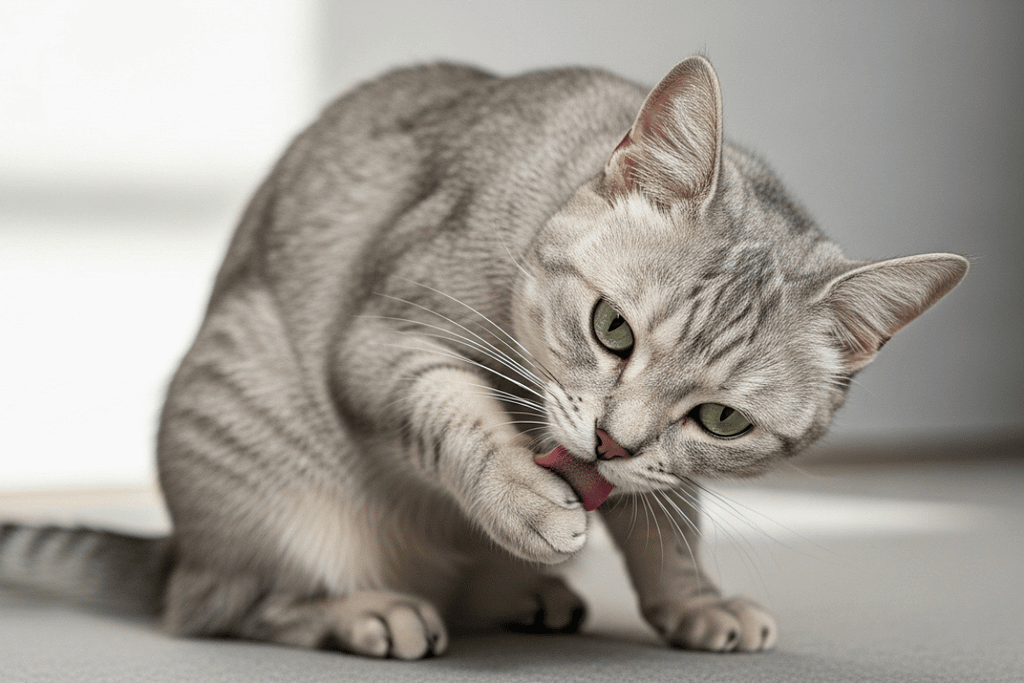
Senior cat grooming changes — such as a dull coat, missed spots on the lower back, or start-and-stop grooming — is often the earliest sign of pain, dental disease, or muscle loss. Detecting these grooming shifts early helps prevent matting, skin infection, and loss of dignity.
If you notice multiple grooming changes (matting, face crusting, fecal staining), schedule a vet exam and begin assisted grooming. Simple measures — warmth, short brushing sessions, pain control and dental care — often restore coat health quickly.
? Understanding a senior cat grooming changes
Grooming is a cat’s daily self-care ritual. When a senior cat grooming change appears — an oily patch, a missed area at the lower back, or a shortened grooming session — it’s rarely cosmetic.
These changes are communication: pain, stiffness, dental discomfort, or cognitive decline is interfering with the cat’s ability to keep themselves clean. Photograph changes, note dates and bring them to the vet; early action preserves comfort, skin health, and dignity.
? Senior Cat Grooming Change vs. Mature Cats (how they differ)
Mature adults (7–10 years) may show tiny reach differences. A senior cat grooming change (10–14 years) is deeper: persistent missed zones, shorter grooming sessions, and beginning matting. By 15+, grooming issues usually combine sarcopenia, dental disease, and cognitive dysfunction — requiring daily human assistance. Understanding the difference is essential to choose prevention (for early changes) or active medical and grooming support (for advanced problems).
?⬛ Early senior cat grooming changes (10–12 years) — what to watch for
Early signs of a senior cat grooming change are subtle but repeatable:
- Slightly oily or dull coat where shine used to be
- One or two missed spots at the lower back or tail base
- Shorter grooming sessions (2–3 minutes instead of 5–10)
- Hesitation or “start-and-stop” when trying to reach a spot
These early changes often reflect reduced spinal flexibility or mild joint pain. Simple fixes — warmth, gentle brushing, short sessions — plus a vet check can reverse many early grooming changes.
? Moderate senior cat grooming changes (12–14 years) — the pattern becomes clearer
When grooming changes progress, they become visible and persistent:
- Distinct ungroomed zones (lower back, hips, outer thighs)
- Start-and-stop grooming: the cat begins, freezes, then abandons the session
- Reduced face grooming — often indicating dental pain (food crusting, tear stains)
These senior cat grooming changes typically indicate established arthritis, dental disease, or beginning sarcopenia. Veterinary assessment and a combined plan (analgesia + dental care + regular assisted brushing) usually help.
? Advanced senior cat grooming changes (14–15 years) — urgent signals
Advanced senior cat grooming changes include:
- Matting (medical emergency)
- Food/drool crusting on the face (strong sign of dental pain)
- Persistent odor or grease (indicates failure to clean oils)
- Fecal/urine staining (cannot twist to clean rear)
- Complete abandonment of grooming (often arthritis, CDS, or organ disease)
All these are red flags — photograph, start assisted cleaning immediately, and book a veterinary appointment.
? Geriatric grooming changes (15+ years): dependency and sarcopenia
Geriatric cats commonly show multiple senior cat grooming changes together: sarcopenia prevents lifting legs, CDS disrupts grooming sequences, and sensory loss means the cat doesn’t notice dirt. Daily assistance is often necessary: gentle brushing, face wipes after meals, and rear-end hygiene to prevent skin infections and maintain dignity.
? Overgrooming: a grooming change that signals pain
Some seniors show increased licking focused on joints — this senior cat grooming change is often pain-based. Look for symmetry (both hips, both knees) and surrounding hair thinning. Pain management, not antihistamines, is the correct response if overgrooming is activity-linked.
? Medical causes behind a senior cat grooming change
Common medical drivers: osteoarthritis (prevents twisting), dental disease (prevents face grooming), sarcopenia (muscle loss), kidney disease (reduces energy and skin quality), hyperthyroidism (greasy coat), and cognitive dysfunction (interrupts routine). Correct diagnosis guides targeted treatment that can reverse many grooming changes.
? How to support a senior cat grooming change at home (practical steps)
- Short, warm grooming sessions (2–5 minutes) after a heated nap.
- Tools: soft slicker brush, grooming glove, fine-tooth comb.
- Face cleaning: unscented pet wipes after meals.
- Rear hygiene: daily checks and wipes for stained cats.
- Professional grooming: safe de-matting for advanced mats (avoid at-home scissor cutting).
- Nutrition: high-quality digestible protein to support muscle mass.
- Environmental: heated beds, low-entry litter boxes, non-slip rugs.
| Age Range | Typical Grooming Changes | Primary Causes | Intervention Needed | Assistance Frequency |
|---|---|---|---|---|
| 10–12 years | Oily or dull coat; less reach to lower back; shorter grooming sessions | Early arthritis; mild flexibility loss | Preventive brushing; vet check if worsening | Weekly brushing |
| 12–14 years | Noticeable ungroomed zones, start-stop grooming, avoiding belly | Established arthritis; dental disease | Active treatment (pain meds, dental care), daily brushing | 2–3x/week brushing |
| 14–15 years | Matting begins; food crusting on face; possible fecal staining | Severe arthritis; dental disease; organ disease | Aggressive pain management; professional grooming | Daily brushing + weekly wipes |
| 15–17 years | Severe matting; complete grooming abandonment; fecal/urine staining | Sarcopenia; CDS; severe dental disease | Full human assistance; daily cleaning; professional grooming | Daily full-body care |
| 18+ years | No self-grooming ability; major skin issues without help | Advanced CDS; organ failure; severe muscle loss | Palliative care; dignity preservation; professional grooming | Multiple daily sessions |
? Veterinary treatments that improve a senior cat grooming change quickly
Treat pain first. Analgesics (NSAIDs where safe), gabapentin, and newer options like Solensia often restore grooming within days to weeks. Dental cleaning can immediately allow face grooming to return. Injectable joint support, physical therapy, laser, and acupuncture are adjuncts that improve mobility needed for grooming. Work with your vet to pick safe options for geriatric patients.
? When a senior cat grooming change is an emergency
Call your vet urgently if you see: rapid matting with red/oozing skin, strong ammonia/fecal smell, drooling with food crusting, sudden complete grooming abandonment, or signs of systemic illness (not eating, hiding, vocalizing). These severe grooming changes require immediate medical and grooming attention.
Want to deepen your understanding of feline behavior?
Explore these trusted resources and discover how science supports positive reinforcement for strong-willed cats.
Conclusion — listen to the coat
A senior cat grooming change is not vanity — it’s information. Each missed patch, each mat, and each shortened session tells you about strength, pain, mouth comfort, and memory. Document changes, start assisted grooming promptly, and partner with your veterinarian. With early treatment, many cats regain grooming ability and, more importantly, comfort and dignity.
- Senior Cat Body Language (10+ Years) — pillar
- Senior Cat Mobility Changes (10+ Years) — satellite
- Mature Cat Grooming Changes (7–10 Years) — companion
? Want to understand every cat body language change your senior cat is showing?
Explore the full guide: Senior Cat Body Language (10+ Years).
? Is your senior cat moving slower, hesitating, or slipping more?
Their body is quietly telling you how much support they need—and where it hurts.
Explore the Complete Guide to Senior Cat Mobility & Arthritis (10+ years)
With the sensitivity of one who loves deeply, Sissi writes stories celebrating the animal world. Her felines Estrela and Safira illuminate her days, while Pete and Gabrich live eternally through her words. Every piece she writes is a love letter to the companions who make life truly meaningful.