
Senior Cat Vet Visit Stress: The 7-Day Pre-Visit Protocol to Reduce Anxiety
Senior cat vet visit stress can be reduced by introducing the carrier gradually, using familiar bedding, planning a quiet arrival, and discussing anxiety with your veterinarian. A flexible 7-day preparation plan can help some older cats feel more comfortable, although highly fearful cats may need more time or professional support.
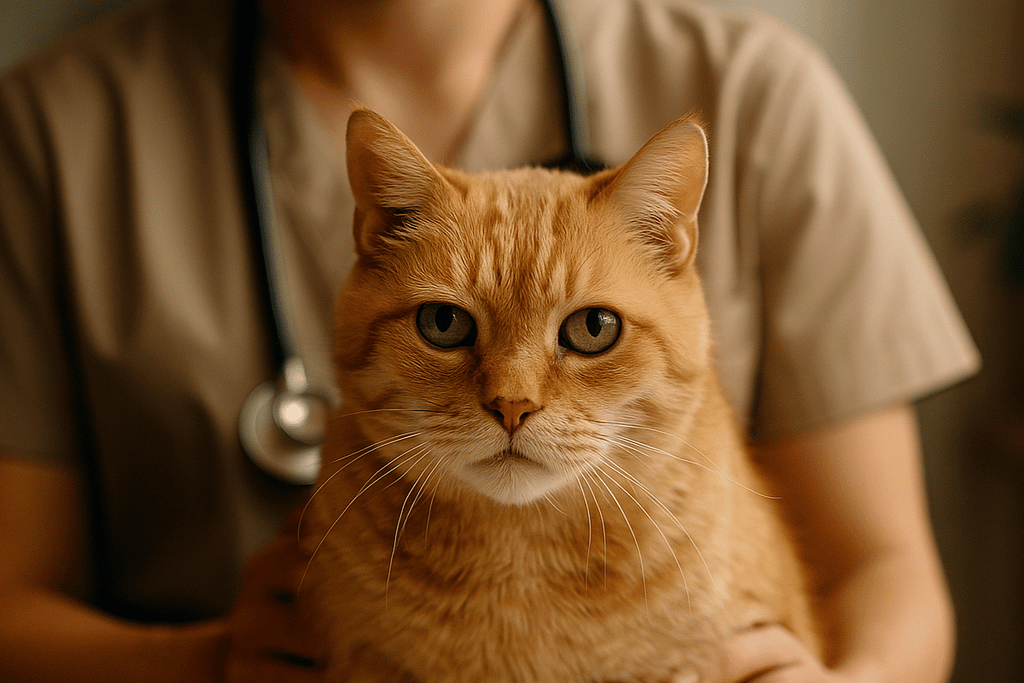
Senior cat vet visit stress can make routine checkups difficult for both cats and their caregivers. An unfamiliar carrier, car travel, strange smells, loud noises, and unfamiliar handling can trigger fear. For older cats, arthritis, reduced mobility, sensory changes, and underlying health problems may make the experience even more challenging.
The good news is that thoughtful preparation can make veterinary visits more manageable. A gradual carrier-training routine, a familiar blanket, a quieter appointment, and clear communication with your veterinarian can help reduce avoidable stress.
This guide provides a practical 7-day pre-visit protocol, a printable preparation checklist, and advice for making the journey, examination, and recovery more comfortable for your senior cat.
Every cat responds differently, so use this plan flexibly. If your cat becomes increasingly distressed, slow down rather than forcing the next step.
🐾 Why Senior Cat Vet Visit Stress Can Be More Difficult
A veterinary visit involves several unfamiliar experiences in a short period. Your cat may need to enter a carrier, travel in a moving vehicle, encounter unfamiliar animals, and tolerate handling by someone they do not know.
Older cats may have additional challenges that make these experiences harder to manage.
🦴 Arthritis, Pain, and Reduced Mobility
Osteoarthritis and other painful conditions can make jumping into a carrier, crouching during transport, or being lifted uncomfortable.
A cat that resists handling may not be misbehaving. It may be trying to protect a painful area.
What you can do: Choose a carrier with a wide opening or removable top, use stable bedding, and avoid lifting your cat by the legs or forcing them into a narrow entrance. Tell your veterinarian about any known mobility limitations before the appointment.
👂 Changes in Hearing, Vision, and Sensory Tolerance
Some older cats have reduced hearing or vision. Others become less comfortable with sudden movements, bright lights, unfamiliar smells, or noisy environments.
These changes can make a busy waiting room particularly overwhelming.
What you can do: Request a quieter appointment time, keep the carrier covered with a lightweight towel when appropriate, and ask whether you can wait in your car until the examination room is ready.
🧠 Previous Negative Experiences
Cats can associate the carrier, car, or veterinary clinic with frightening experiences. If the carrier appears only before appointments, seeing it may become a warning that something unpleasant is about to happen.
What you can do: Leave the carrier accessible at home and create positive associations with treats, meals, or comfortable bedding. The goal is to make the carrier part of the normal environment rather than a signal of an approaching trip.
🍽️ Appetite and Health Changes
An older cat that feels nauseated, tired, or unwell may tolerate travel and handling less comfortably.
Changes in appetite, grooming, sleep, mobility, or social behavior may also indicate an underlying medical issue rather than anxiety alone.
Important: Do not assume that a new behavior is simply a consequence of aging or stress. Tell your veterinarian about changes you have noticed, even if they seem subtle.
👀 Subtle Signs of Stress in Senior Cats
Cats do not always respond to fear by hissing, scratching, or trying to escape. Some become unusually still or quiet.
Recognizing early signs of stress helps you adjust the environment before distress escalates.
🐈 Body Language to Watch For
Common signs include:
- Ears flattened or turned sideways
- Pupils that become enlarged
- A tense body or crouched posture
- Tail held tightly against the body or flicking repeatedly
- Hiding, freezing, or attempting to escape
- Growling, hissing, or repeated vocalization
- Rapid breathing or panting
- Refusing treats that would normally be accepted
No single behavior proves that a cat is anxious. Pain and illness can produce similar changes, so consider the full context.
🩺 Stress or Pain: How Can You Tell the Difference?
Stress and pain can occur together. A cat with arthritis may become frightened because being handled hurts, while an anxious cat may appear tense even without a painful condition.
Pay particular attention to new or persistent changes, such as reluctance to jump, sensitivity when touched, limping, reduced grooming, or difficulty entering the litter box.
If you notice these signs, share them with your veterinarian rather than trying to resolve the problem through carrier training alone.
🏡 Prepare Your Home Before the Appointment
A calmer home environment makes it easier to introduce the carrier and practice short handling sessions.
🛏️ Create a Familiar, Quiet Space
Choose a room where your cat can relax without frequent interruptions. Keep familiar bedding, resting places, food, water, and litter access available.
Avoid introducing several major changes at once, such as rearranging the room, moving the litter box, and changing food immediately before the appointment.
🧺 Make the Carrier Part of Everyday Life
Place the carrier in a familiar room with its door secured open or its top removed if the design allows.
Add a blanket your cat already uses. Let your cat investigate voluntarily, without pushing them inside or blocking the exit.
If the carrier is damaged, unstable, or difficult to open, replace it before beginning training.
🌿 Consider a Cat Pheromone Product
Some synthetic feline pheromone products may help certain cats in stressful situations, although results vary.
If you choose to use one, follow the product instructions. For a spray intended for carrier use, allow the recommended time for the alcohol or other carrier solvent to evaporate before introducing your cat.
Pheromones are an optional aid, not a substitute for gradual training or veterinary advice.
📅 The 7-Day Senior Cat Pre-Visit Protocol
This seven-day plan introduces the carrier, handling, and travel in small steps. It is a flexible framework, not a deadline. Some cats need several weeks or longer to become comfortable.
If your cat has a veterinary appointment in seven days and is already highly fearful of the carrier, focus on reducing distress rather than completing every exercise.
🧺 Days 1–2: Build Positive Carrier Associations
Goal: Help your cat feel safe around the carrier.
- Place the carrier in a familiar, quiet room.
- Leave the entrance open and accessible.
- Add familiar bedding or a soft blanket.
- Offer treats near the entrance, gradually moving them inside if your cat is comfortable.
- Allow your cat to explore voluntarily.
- Keep sessions short and end before your cat becomes distressed.
If your cat will not approach the carrier, place the treats at a comfortable distance and let your cat decide whether to move closer.
Avoid: Picking up your cat and placing them inside against their will. A forced introduction can strengthen the negative association you are trying to change.
🐾 Days 3–4: Practice Voluntary Entry and Gentle Handling
Goal: Make entering the carrier and being handled less unfamiliar.
- Continue rewarding voluntary approaches.
- Offer a meal or favorite treat inside if your cat is comfortable enough to enter.
- Practice gentle touch around areas your cat normally accepts.
- If your cat remains relaxed, briefly move the carrier door or close it for a second or two.
- Open it again before your cat becomes worried.
Only increase the duration if your cat remains comfortable. You do not need to close the door if that step causes distress.
For cats with mobility problems, use a carrier with a wide entrance or removable top so that entry and exit require less effort.
🚗 Day 5: Introduce the Car Without Driving
Goal: Familiarize your cat with the travel environment, if tolerated.
If your cat is comfortable in the carrier, secure it safely in a stationary vehicle with the engine off.
Keep the session brief and quiet. Offer a reward if your cat is relaxed, then return home.
If simply approaching the car causes distress, remain at an earlier training step. You can also skip this exercise entirely if the appointment is close or the cat is medically fragile.
Safety note: Never leave your cat unattended in a parked car, even for a short period. Vehicle temperatures can become dangerous quickly.
🚙 Day 6: Consider a Very Short Practice Drive
Goal: Introduce vehicle movement gradually, but only if earlier steps have gone well.
A short drive may be useful for a cat that is already comfortable entering the carrier and sitting in the stationary car.
- Secure the carrier so it cannot slide or tip.
- Keep the vehicle quiet and drive smoothly.
- Choose a brief route.
- Return home if your cat becomes significantly distressed.
A practice drive is optional. It is not appropriate for every senior cat, especially one with severe travel anxiety, motion sickness, breathing difficulties, or significant medical problems.
If your cat becomes distressed in the stationary car, do not proceed to driving simply because it is Day 6.
📝 Day 7: Prepare for the Actual Appointment
Goal: Make the travel and clinic visit as predictable as possible.
- Place clean, familiar bedding inside the carrier.
- Prepare your cat’s medical history, medication list, and questions.
- Confirm the appointment time and clinic instructions.
- Ask whether the clinic can arrange a quieter arrival.
- Keep your cat’s normal routine as consistent as possible.
- Avoid last-minute carrier drills if they are likely to increase anxiety.
If your cat still resists entering the carrier, call the veterinary clinic for advice. The team may recommend a safer loading technique or discuss whether veterinarian-prescribed pre-visit medication is appropriate.
Remember: Completing all seven days is less important than keeping your cat safe and minimizing fear.
📋 Senior Cat Pre-Visit Health Checklist
A concise health summary helps your veterinarian understand what has changed at home. Cats often hide signs of illness, so your observations can be valuable during the examination.
🍽️ Eating, Drinking, and Elimination
Record:
- Appetite changes and the approximate amount eaten
- Changes in water intake
- Urination frequency or unusual litter box behavior
- Stool consistency and frequency
- Vomiting or diarrhea
- Any recent weight gain or loss
🦴 Mobility, Comfort, and Behavior
Note:
- Limping, stiffness, or hesitation to jump
- Difficulty climbing stairs or entering the litter box
- Changes in grooming
- Hiding, vocalizing, or unusual irritability
- Changes in sleep patterns or activity
- Sensitivity when touched or picked up
💊 Medical History and Current Treatment
Bring or prepare:
- A list of medications and supplements, including doses and schedules
- Relevant laboratory results or previous examination reports
- Vaccination and medical records, when available
- The approximate date each new symptom began
- Questions about pain, mobility, appetite, and future monitoring
Videos recorded at home can be particularly useful for showing intermittent limping, unusual breathing, difficulty walking, or other behaviors that may not occur in the examination room.
🖨️ Printable Senior Cat Vet Pre-Visit Checklist
Want to keep everything organized before your next appointment?
Use the Senior Cat Pre-Visit Checklist (PDF) and bring it to your veterinarian.
Before leaving home, check the following items:
| Item | Ready? | Notes |
|---|---|---|
| Current weight, if available | ☐ | Record the date |
| Appetite and food intake | ☐ | Include recent changes |
| Water intake | ☐ | Estimate changes, if known |
| Urination and stool changes | ☐ | Note frequency and onset |
| Medication and supplement list | ☐ | Include doses and times |
| Mobility or pain concerns | ☐ | Describe specific examples |
| Behavioral changes | ☐ | Include hiding, grooming, or vocalization |
| Recent symptoms | ☐ | Note when they began |
| Previous medical results | ☐ | Bring available reports |
| Carrier and familiar bedding | ☐ | Check stability and cleanliness |
| Questions for the veterinarian | ☐ | Prioritize your main concerns |
You can also keep a short daily record for several days before the appointment. This makes gradual changes easier to recognize and explain.
🩺 How to Work With Your Veterinarian to Reduce Anxiety
Reducing stress is a shared effort between the caregiver and veterinary team.
📞 Contact the Clinic Before the Visit
Tell the clinic that your cat is older and becomes distressed during transport or handling.
Explain any mobility limitations, previous difficult experiences, or reactions to medication. Ask whether a quieter appointment time, direct access to an examination room, or other adjustments are possible.
If travel anxiety is severe, ask about pre-visit medication. Some cats benefit from veterinarian-prescribed medication to reduce fear, but the appropriate drug and dose depend on the cat’s health, other medications, and individual circumstances.
Never give human medication, leftover prescriptions, or over-the-counter calming products without veterinary guidance. This is especially important for cats with kidney disease, heart disease, or other medical conditions.
🐈 Ask About Low-Stress Handling
A cat-friendly examination may involve allowing the cat to remain in the bottom half of a removable-top carrier, using a familiar towel, and minimizing unnecessary restraint.
The best approach depends on the cat and the examination required.
Tell the veterinarian which handling methods your cat tolerates at home and which situations cause distress. If an examination cannot be completed safely, the team can discuss alternatives rather than escalating a struggle unnecessarily.
⏰ Plan the Arrival
Ask whether you can wait in your car or another quiet area until the examination room is ready.
Follow the clinic’s instructions about arrival time, fasting, and medication. Do not withhold food or water unless the veterinary team specifically instructs you to do so.
For a senior cat, unnecessary fasting may be inappropriate, particularly if the cat has a medical condition or takes medication that affects feeding.
🚗 Day-of-Visit Checklist: Keep the Journey Calm
On appointment day, preparation matters more than perfection.
Before Leaving Home
- Keep the household routine as normal as possible.
- Place familiar, non-slip bedding inside the carrier.
- Confirm that the carrier door and fasteners are secure.
- Bring the health checklist and medication information.
- Follow any specific instructions from the veterinary clinic.
- Avoid chasing your cat around the house if possible.
During Transport
- Secure the carrier in the vehicle so it cannot slide.
- Keep noise and sudden movements to a minimum.
- Use a lightweight cover if it helps your cat feel sheltered, ensuring ventilation remains unobstructed.
- Never open the carrier in an unsecured outdoor area or moving vehicle.
- Avoid letting your cat roam freely inside the car.
If your cat becomes frightened, speak softly and avoid repeatedly opening the carrier to comfort them. An unsecured cat can escape or become injured.
At the Clinic
- Keep your cat inside the carrier until the veterinary team advises otherwise.
- Request a quieter waiting arrangement if available.
- Tell the team about any new symptoms before the examination begins.
- Ask for a pause if your cat becomes overwhelmed and the situation allows it.
The aim is to reduce unnecessary stress while still allowing the veterinarian to provide the care your cat needs.
🏡 Senior Cat Post-Visit Recovery: What to Expect
After a stressful appointment, some cats rest more than usual or seek a quiet place to recover. They may temporarily prefer less interaction.
Provide a calm environment and allow your cat to approach you when ready.
💧 Support a Comfortable Return Home
- Place the carrier in a quiet, familiar area.
- Let your cat leave voluntarily if it is safe to do so.
- Keep food, water, and litter easily accessible.
- Offer familiar food according to the veterinarian’s instructions.
- Allow your cat to rest without forcing interaction.
- If you have other cats, watch for tension or unfamiliar reactions after the visit.
Cats sometimes react to the unfamiliar smells carried home by a companion. If necessary, give the returning cat a quiet space until the household settles.
👀 Monitor Appetite, Movement, and Behavior
Observe whether your cat returns to its usual eating, drinking, litter box, and activity patterns.
Do not assume that every change is simply a reaction to stress. Sedation, anesthesia, medication, an underlying illness, or the condition being treated may affect recovery.
Follow the clinic’s discharge instructions and contact the veterinary team if symptoms persist, worsen, or differ from what you were told to expect.
Seek urgent veterinary advice for difficulty breathing, collapse, marked weakness, repeated vomiting, inability to urinate, or other severe or rapidly worsening symptoms. Do not wait 48 hours if your cat appears seriously unwell.
❓ FAQ: Senior Cat Vet Visit Stress
How can I reduce senior cat vet visit stress?
Start by making the carrier familiar, using positive reinforcement, and avoiding forced handling. Plan a quiet arrival, secure the carrier during transport, and tell the clinic about your cat’s medical and behavioral needs. Severe anxiety may require a veterinarian-directed plan.
Can I prepare my senior cat for a vet visit in seven days?
Seven days can provide time for gradual preparation, especially if your cat already tolerates the carrier. Cats with severe fear may need several weeks or longer. Do not rush or force exercises just to finish the schedule.
Should I give my cat a sedative before the appointment?
Only if your veterinarian recommends it. Some cats benefit from prescribed pre-visit medication, but drug choice and dosing depend on health status, age, other medications, and the type of visit. Never give human medication or use leftover prescriptions without veterinary instructions.
Should I cover my cat’s carrier during travel?
A lightweight cover may help some cats feel more sheltered by reducing visual stimulation. Maintain adequate ventilation and make sure your cat is not becoming overheated. Remove or adjust the cover if your cat appears more distressed.
Why does my older cat hide after a vet visit?
Your cat may need time to recover from unfamiliar smells, handling, and travel. Provide a quiet hiding place and avoid forcing interaction. If hiding is prolonged or accompanied by poor appetite, pain, weakness, or other unusual symptoms, contact your veterinarian.
Is it normal for a senior cat to eat less after a vet visit?
Some cats temporarily show reduced interest in food after a stressful experience, but a reduced appetite can also indicate pain, nausea, medication effects, or illness. Follow the clinic’s instructions and contact your veterinarian promptly if your cat refuses food or eats substantially less than usual.
Should I take my senior cat to the vet if it becomes extremely stressed?
Yes, when veterinary care is needed. Tell the clinic about the anxiety before the appointment so the team can plan safer handling, transport, and possible medication. Do not postpone urgent care solely because your cat dislikes veterinary visits.
Can arthritis make vet visits more stressful for older cats?
Yes. Pain and limited mobility can make entering a carrier, being lifted, and being examined uncomfortable. A suitable carrier, gentle handling, and a veterinary assessment of pain can help address these difficulties.
💚 Make Every Veterinary Visit Easier for Your Senior Cat
Senior cat vet visit stress can be challenging, but preparation gives you practical ways to reduce avoidable fear and improve your cat’s comfort.
Begin with a familiar carrier, introduce new experiences gradually, and keep track of changes in appetite, mobility, elimination, and behavior. Before the appointment, share your concerns with the veterinary team and ask about adjustments that suit your cat’s individual needs.
Remember that the seven-day plan is a flexible guide, not a guarantee. Some cats need more time, and some require professional help to travel safely.
For additional guidance on your cat’s changing needs, explore these resources:
- Senior Cat Care Guide (10+ Years) — a broader guide to aging, comfort, mobility, and health monitoring.
- Senior Cat Vet Checklist — a practical companion for organizing veterinary visits.
For reliable veterinary information, visit the Cornell Feline Health Center, which provides educational resources on feline health and medical care.
A calmer veterinary visit begins before you leave home. With patience, observation, and a plan tailored to your cat, you can make essential healthcare more manageable throughout the senior years.

With the sensitivity of one who loves deeply, Sissi writes stories celebrating the animal world. Her felines Estrela and Safira illuminate her days, while Pete and Gabrich live eternally through her words. Every piece she writes is a love letter to the companions who make life truly meaningful.