
Long-Haired Cats Grooming: Complete Breed & Care Guide
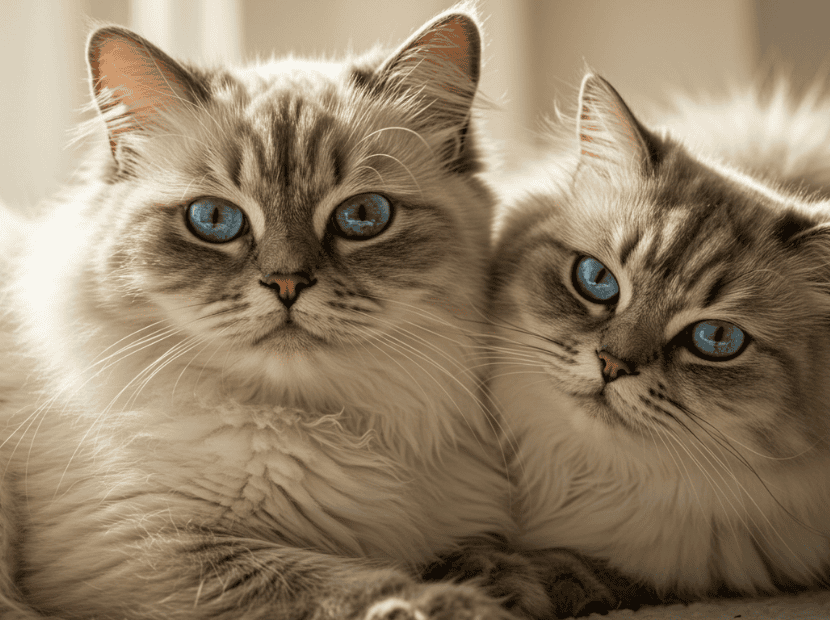
Long-haired cat breeds require daily grooming (15-20 minutes minimum) to prevent matting, hairballs, and skin infections. Each breed has unique coat textures and care needs.
Essential long-haired cat care includes:
- Daily brushing with appropriate tools (15-20 minutes)
- Professional grooming 1-4 times per year
- Omega-3 and omega-6 rich diet
- Monitoring high-friction matting areas
- Regular veterinary check-ups
- Occasional bathing (1-4 times yearly)
- Environmental enrichment and vertical spaces
? Long-Haired Cats Grooming: Why Choose & Essential Benefits ✨
Long-haired cats captivate with their majestic appearance, luxurious coats, and charming personalities. Beyond their impressive aesthetics, many long-haired breeds have calm and affectionate temperaments, making them ideal for families.
However, choosing a long-haired cat is a significant commitment. Their stunning coats require constant attention through frequent grooming, proper nutrition, and regular veterinary care.
The Commitment: What Ownership Really Means
Before adopting a long-haired cat, understand the true time investment:
- Daily grooming: 15-30 minutes minimum
- Professional grooming: $50-150 per session, 1-4 times yearly
- Veterinary care: More frequent checks for breed-specific issues
- Home maintenance: Regular vacuuming and lint-rolling
- Financial investment: Premium food, grooming tools, professional services
The reward: A deeply bonded companion with a stunning, healthy coat and improved overall well-being.
? Long-Haired Cats Grooming: Popular Breeds & Care Profiles ?
1. Persian Cat
Care Requirements:
- Daily brushing to maintain coat health
- Regular eye area cleaning to prevent tear staining and infections
- Monitor for respiratory issues (brachycephalic breed)
- Special attention to eye health
2. Maine Coon
Care Requirements:
- Brush several times a week; increased frequency during shedding seasons
- High-protein diet to support large frame
- Regular nail trimming
- Interactive play and climbing structures
3. Ragdoll
Care Requirements:
- Grooming once or twice per week (less than other long-haired breeds)
- Watch for obesity (tend to be less active)
- Regular interactive play
- Social companionship (don’t like being alone)
4. Turkish Angora
Care Requirements:
- Regular grooming (2-3 times weekly)
- Extensive mental stimulation and play
- Vertical spaces for climbing
- Interactive toys and puzzle feeders
5. Siberian Cat
Care Requirements:
- Increasing grooming frequency during shedding seasons with specialized de-shedding tools
- Frequent brushing (especially seasonal)
- Outdoor access or enrichment
- Cold-weather tolerance
6. Norwegian Forest Cat
Care Requirements:
- Brushing several times a week, with increased frequency during shedding seasons
- Climbing structures and vertical spaces
- Space to explore
- Outdoor access (or enriched indoor environment)
7. Himalayan Cat
Care Requirements:
- Daily brushing to maintain coat health; fur texture varies from fine to wooly
- Regular cleaning of eye area to prevent tear staining and infections
- Similar care to Persian (they are close relatives)
- Monitor respiratory health
8. Birman Cat
Care Requirements:
- Light grooming requirements compared to other long-haired breeds
- Regular social interaction
- Peaceful, calm environment
- Interactive play
? Essential Grooming Guide: Tools, Techniques & Frequency ?
Understanding the Grooming Commitment
Long-haired cats grooming requires daily attention to help avoid matting and tangled fur. This comprehensive long-haired cats grooming guide covers everything from tool selection to technique, with particular attention to areas under the armpits, behind the ears, and the back of the hindlegs.
Long-haired cats grooming isn’t optional — it’s essential preventive care that impacts your cat’s health and happiness.
Long-Haired Cats Grooming Frequency: Complete Breed Schedule
| Breed | Frequency | Duration | Difficulty |
| Persian | Daily | 20-30 min | High |
| Maine Coon | 3-4x weekly | 15-20 min | Moderate |
| Ragdoll | 1-2x weekly | 10-15 min | Low |
| Turkish Angora | 2-3x weekly | 15-20 min | Moderate |
| Siberian | Daily (seasonal) | 15-25 min | Moderate |
| Norwegian Forest | 3-4x weekly | 15-20 min | Moderate |
| Himalayan | Daily | 20-30 min | High |
| Birman | 2-3x weekly | 10-15 min | Low |
Long-Haired Cats Grooming Tools: Essential Kit & Recommendations?️
Essential tools include a wide-toothed metal comb, a slicker brush, and a de-matting tool. Start with the wide-toothed comb to remove tangles, followed by the slicker brush to remove loose fur.
Tool Breakdown:
| Tool | Purpose | Best For |
| Wide-toothed metal comb | Detangling, initial assessment | All long-haired cats |
| Slicker brush | Removing loose fur, breaking down minor mats | Removing undercoat |
| Pin brush | Gentle brushing, distributing oils | Sensitive cats |
| De-matting comb | Specialized matting removal | Severe tangles (use carefully) |
| Grooming gloves | Bonding, gentle removal | Cats resistant to brushes |
| De-shedding tool | Undercoat removal during shedding | Seasonal maintenance |
Pro tip: Many long-haired cat owners use a combination of 2-3 tools in a single session.
Long-Haired Cats Grooming: High-Friction Matting Areas
High-friction areas include the armpits, belly, legs, chest, behind the ears and under the chin, where long hair gets rubbed together when the cat walks, rolls around on the ground and curls up in a ball.
Priority grooming zones:
- Behind ears (most matting-prone)
- Under armpits
- Belly and chest
- Back of hind legs
- Under the chin
- Between toes
? The Matting Crisis: Recognition, Prevention & Treatment ?
What Is Matting and Why It’s Serious
Long-haired cats grooming mistakes often lead to matting problems. Understanding matting is crucial for anyone caring for long-haired cats. Long hair can easily become wrapped and entwined, which can cause discomfort and even pain for the cat. If left untreated, matting can result in skin infections, hot spots, and even open wounds.
Matting is caused by dead hair that instead of shedding gets stuck together. More and more hair accumulates, creating clumpy mats similar in texture to a Brillo pad.
Preventive long-haired cats grooming
Is always easier than treating severe matting. Observe:
- Visible clumps of tangled fur
- Cat licking or biting at matte areas
- Reluctance to be touched in affected areas
- Reduced movement or mobility
- Visible skin irritation or inflammation
- Foul odor from matted areas
Treatment Protocol
Minor mats (preventable at home):
- Use wide-toothed comb gently
- Apply detangling spray or conditioner
- Never use scissors (risk of cutting skin)
- Use specialized de-matting comb only when necessary
Severe mats (professional intervention required):
- When mats are extensive, it is strongly recommended that you seek professional care from a groomer or your veterinarian
- Some cats may require sedation to safely perform this procedure and reduce stress for your cat
- Professional groomers have specialized clippers to safely remove mats
Prevention is always easier than treatment.
? The Hairball Problem: Prevention & Management ?
Why Hairballs Are Serious in Long-Haired Cats
Cats are frequently prone to develop hairballs, which can lead to digestive issues, including vomiting and diarrhea. Unfortunately, hairballs can lead to blockages in the digestive tract. These are dangerous and may require surgery to remove them safely.
Prevention Through Grooming
Regular combing and bathing removes dead hair on the cat before it has a chance to be ingested, thus minimizing the risk of hairballs.
Hairball prevention strategy:
- Daily or frequent grooming (removes loose hair)
- High-fiber diet
- Increased water intake
- Hairball-prevention treats (as supplement)
- Monitor litter box for blockage signs
Hairball-Prevention Diet
Cat treats with fish oil or omega-3 fatty acids are known to help with coat quality and may be a good option as long as the owner is careful not to overfeed.
Recommended dietary additions:
- Omega-3 fatty acids (fish oil)
- High-quality proteins
- Fiber-rich options
- Fresh water availability
- Hairball control treats (used moderately)
? Nutrition for Coat Health: Diet That Matters ?
The Connection: Diet & Coat Quality
A poor-quality coat could be the sign of kidney or thyroid disease or another health concern, so be sure to discuss your pet’s condition with your veterinarian.
Nutrition directly affects coat health. Your cat’s coat is a window into their overall health.
Essential Nutrients for Long-Haired Cats
| Nutrient | Role | Sources |
| Omega-3 FA | Skin/coat health | Fish, fish oil, flaxseed |
| Omega-6 FA | Coat shine & strength | Poultry, vegetable oils |
| Protein | Hair structure | Chicken, fish, turkey |
| Biotin | Hair growth | Eggs, liver, fish |
| Zinc | Skin health | Meat, organs |
| B-vitamins | Overall coat condition | Whole grains, meat |
Dietary recommendations:
- High-quality proteins and diets rich in omega-3 and omega-6 help maintain shiny and resilient fur
- Consult a veterinarian for breed-specific dietary needs
- Monitor weight (obesity affects grooming ability)
- Ensure fresh water is always available
? Health Issues in Long-Haired Cats: Breed-Specific Concerns ?
The Sanitary Trim Issue: Often Overlooked
After a long-haired cat uses the litterbox, sometimes debris gets stuck in the coat and on the skin. If the area is not cleaned, it can cause skin irritations. Solutions include checking the cat after it uses the litterbox, or having a groomer shave a “sanitary trim” on the cat during its groom.
This is especially important for:
- Overweight cats (difficulty self-grooming)
- Senior cats (mobility issues)
- Cats with mobility limitations
Skin Issues Masked by Long Coats
The dense coat of long-haired cats can mask skin problems. Regular grooming sessions offer opportunities to check for signs of irritation, parasites, or other skin conditions requiring attention.
Regular grooming allows early detection of:
- Parasites (fleas, ticks)
- Skin infections
- Wounds or sores
- Lumps or abnormal growths
- Dry skin or dandruff
? Bathing Long-Haired Cats: When, How & Why ?
Do Long-Haired Cats Need Baths?
Most healthy adult cats are fastidious groomers and rarely require a bath. How often your cat needs to be bathed will vary with age, lifestyle, and underlying health status.
When bathing is necessary:
- An arthritic or overweight cat that has difficulty grooming herself may need the occasional bath to remove loose hair and objectionable odors
- Allergy management (veterinarian-prescribed)
- Severe oil buildup
- Post-surgical care
- Cat requires grooming assistance
Recommended frequency: 1-4 times per year (not more)
Professional Bathing vs. Home Bathing
| Aspect | Home Bathing | Professional |
| Cost | Low | $50-150 |
| Cat stress | Higher (usually) | Lower (experienced handlers) |
| Effectiveness | Good | Excellent |
| Drying | Time-consuming | Quick & efficient |
| Recommended | Routine maintenance | Severe oil/dirt buildup |
Step-by-Step Home Bathing Guide
- Prepare: Gather all supplies before bringing cat to bathroom
- Brush thoroughly: Groom completely BEFORE bathing (tangles become impossible post-bath)
- Use lukewarm water: Gentle streams, avoid eyes/ears/nose
- Apply cat-specific shampoo: Cats should only be bathed with a shampoo formulated for use on cats — their skin has a different thickness and pH (acidity) than human skin. Human shampoo is far too harsh for their skin
- Massage gently: Follow natural hair growth direction
- Rinse thoroughly: Remove all shampoo residue
- Dry completely: Use low-heat dryer or towels
? Professional Grooming: When to Seek Help ?
Signs You Need Professional Help
- Severe matting that can’t be brushed out at home
- Cat won’t tolerate home grooming
- You lack time for daily maintenance
- Cat has mobility or health issues
- Sanitary trim needed
- Regular bathing required
Choosing a Professional Groomer
Important considerations:
- At this time, the grooming profession is unregulated — which means there is no licensing or requirements to be a groomer. So it is important for owners to do their own research
- Look for training, experience and grooming environment. Many cats do better in a quiet environment that is not in the same room as barking dogs. Some grooming salons offer cat-only hours or days
- Elderly or very nervous cats may do better being groomed in their own environment, such as with a mobile or in-home groomer
- Seek certification: The National Cat Groomers Institute of America (NCGIA) offers training and certification to groomers seeking to advance their cat grooming skills
Grooming frequency recommendations:
- Cats with medium and long coats only need to be professionally groomed up to four times a year, unless advised otherwise by a veterinarian
? Home Environment: Creating the Perfect Space ?
Shedding Management
Regular vacuum cleaning and lint-rolling become part of daily life. Consider investing in good quality air filters and keeping surfaces clear for easier cleaning.
Shedding management strategy:
- High-efficiency vacuum (HEPA filter recommended)
- Regular lint rollers in strategic locations
- Washable furniture covers
- Air purifiers for allergen reduction
- Regular house cleaning (especially during shedding seasons)
Environmental Enrichment Needs
Long-haired cats need both physical and mental stimulation:
- Interactive toys and puzzle feeders
- Climbing structures and cat trees
- Window perches for environmental observation
- Scratching posts
- Elevated spaces for surveying territory
- Varied textures and environments
Temperature Considerations
Long-haired cats often benefit from having access to cool surfaces and well-ventilated areas, especially during warmer months.
Summer care tips:
- Cool tile or stone surfaces
- Well-ventilated areas
- Access to shade
- Increased water availability
- Monitor for overheating
- Consider “lion cut” in extreme heat (if necessary)
? Adoption vs. Purchasing: Making the Right Choice ?
Adoption Benefits
Many mixed-breed long-haired cats await loving homes and offer the same affection as pedigreed cats. Adoption from shelters or rescue organizations:
- Provides homes for cats in need
- Usually includes initial veterinary care
- Often less expensive than purchasing
- Offers cats of all ages and temperaments
- Supports animal welfare organizations
Responsible Breeding Considerations
If purchasing a pedigreed long-haired cat:
- Choose breeders who provide health history
- Verify health testing (especially for genetic conditions)
- Ask for references and visit facilities
- Ensure ethical practices and animal welfare
- Understand breed-specific health predispositions
- Get health guarantees in writing
Do all long-haired cats shed heavily?
A: Long-haired cats don’t necessarily shed more; their longer fur is simply more noticeable when shed. Regular grooming, a healthy diet rich in omega fatty acids, and maintaining proper hydration can help manage shedding effectively.
Which long-haired breed is the easiest to care for?
Ragdolls and Birmans are known for having coats that are less prone to matting and require lighter grooming. They’re great for those who want a long-haired cat with lower maintenance.
Can long-haired cats live happily in apartments?
Absolutely! Breeds like the Persian, Himalayan, and Ragdoll adapt very well to indoor environments, as long as they have physical and mental stimulation.
What’s the difference between the Maine Coon and Siberian coats?
Maine Coons have thick, cold-resistant fur, while Siberians have a triple-layered coat even more suited to extreme climates. Both require regular grooming.
Do long-haired cats need baths?
Not always, but sometimes — especially if the cat struggles to groom itself or if the fur gets dirty or greasy. Always use cat-specific products and avoid overbathing.
Which breed is most sociable with kids and other pets?
Ragdolls, Birmans, and Maine Coons are known for being friendly, patient, and affectionate — ideal for families with children or other animals.
Is there a difference between long hair with and without undercoat?
Yes! Breeds like the Ragdoll have long hair but little undercoat, which reduces matting. Siberians, on the other hand, have a dense undercoat that needs more care.
What should I feed my long-haired cat for coat health?
Focus on high-quality proteins, omega-3 and omega-6 fatty acids, and essential vitamins. Consult your veterinarian for breed-specific recommendations.
Can I use human shampoo on my cat?
No. Cats should only be bathed with a shampoo formulated for use on cats. Human shampoo is far too harsh for their skin.
How often should I take my long-haired cat to the vet?
Annual check-ups are standard; breed-specific issues may require more frequent visits. Discuss with your veterinarian based on your cat’s individual health needs.
? Additional Resources
Ready to deepen your understanding of long-haired cat care?
Explore veterinary and professional grooming resources: The ASPCA, AAFCO, and certified cat grooming professionals provide extensive guidance on feline coat care and health. Discover professional resources on long-haired cat care — access expert advice on nutrition, grooming techniques, and breed-specific health management.
? Want to Explore the Elegant Persian?
Learn about personality, grooming needs, and daily care:
Persian Cat – Care Guide, Grooming & Food Tips

With the sensitivity of one who loves deeply, Sissi writes stories celebrating the animal world. Her felines Estrela and Safira illuminate her days, while Pete and Gabrich live eternally through her words. Every piece she writes is a love letter to the companions who make life truly meaningful.