
? The Ragdoll Cat: Temperament, Traits and Care Essentials
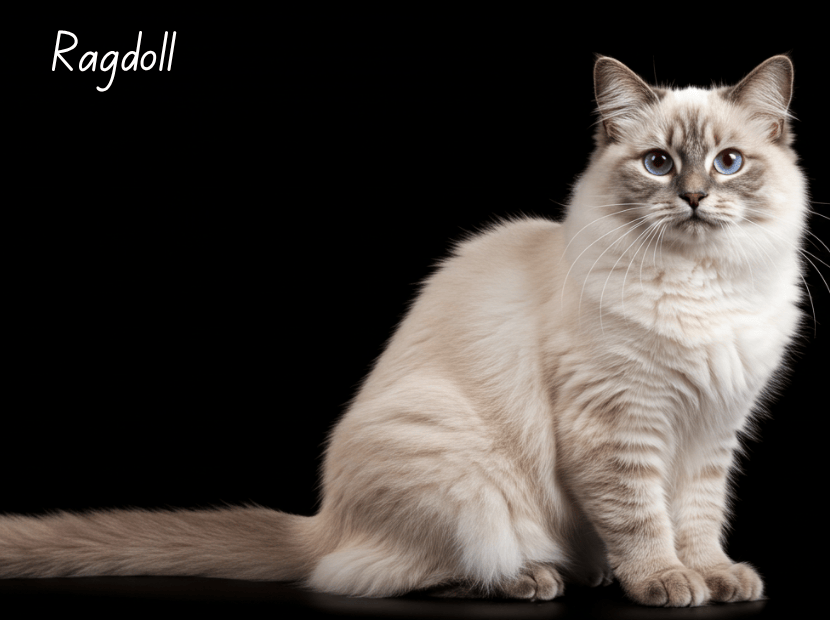
Ragdoll cats are large, semi-long-haired felines weighing 6-9 kg (males) with striking blue eyes and color-point patterns. Known for their gentle, dog-like personality and tendency to go limp when held, Ragdolls are highly affectionate, patient with children, and thrive on companionship. They require brushing 2-3 times weekly and live 12-15 years on average, with lifespan reaching 20 years with proper care.
Ragdoll cat key characteristics:
- Large breed: 6-9 kg males, 4.5-6.5 kg females
- Striking blue eyes and color-point coat patterns
- Dog-like, affectionate, and patient temperament
- Brush 2-3 times weekly (minimal undercoat)
- Prone to hypertrophic cardiomyopathy (HCM)
- Lifespan: 12-15 years (up to 20 with good care)
The Ragdoll cat is one of the most beloved feline breeds in the world, known for its gentle nature, striking blue eyes, and plush semi-long coat. Originally developed in California in the 1960s, the Ragdoll quickly gained popularity for its affectionate personality and relaxed demeanor—often going limp when held, just like a ragdoll.
This guide explores the behavioral characteristics, social tendencies, physical traits, and care essentials of the Ragdoll, helping you understand what makes this breed so special.
? Behavioral Characteristics of the Ragdoll Cat
?️ Tendency to Vocalize
Ragdolls are generally quiet cats, but they do communicate with soft, melodic meows. They may vocalize to express affection, request attention, or signal hunger, but they are far less vocal than breeds like the Siamese.
? Intelligence and Memory
Ragdolls are highly intelligent and have excellent memory. They quickly learn routines, recognize their names, and can even be trained to perform simple tasks like fetching toys or responding to commands. Their cognitive abilities make them responsive to positive reinforcement and gentle training.
❤️ Affection Toward Humans
One of the most defining traits of the Ragdoll is its deep attachment to its human companions. These cats are known to follow their owners from room to room, enjoy being held, and often seek out cuddles. They thrive on companionship and may become lonely if left alone for long periods.
?♂️ Activity Level
Ragdolls are moderately active. They enjoy playtime and interactive toys but are not hyperactive. Their calm nature makes them ideal for indoor living, and they often prefer lounging near their humans over climbing or exploring high places.
? Patience with Children
Ragdolls are famously patient and tolerant, making them excellent companions for families with children. They rarely scratch or bite and tend to remain calm even when handled by young kids—though supervision is always recommended.
? Receptiveness to Other Pets
This breed is typically friendly and sociable with other animals, including dogs and other cats. Their laid-back temperament allows them to adapt well to multi-pet households, especially when introductions are done gradually and respectfully.
? Physical Characteristics of the Ragdoll Cat
Ragdolls are large cats with a muscular and broad-chested body. Females typically weigh between 4.5 to 6.5 kg, while males range from 6 to 9 kg. They have a semi-long, silky coat with minimal undercoat, making them less prone to matting. Their vivid blue eyes and color-point patterns add to their striking appearance. Common color patterns include pointed, mitted, bicolor, and lynx variations.
? Basic Care Tips for Ragdoll Cats
| Characteristic | Detail |
|---|---|
| Size / Body | Large and robust, with a muscular body and broad chest. One of the largest domestic cat breeds. |
| Weight | Male: 6 to 9 kg Female: 4.5 to 6.5 kg |
| Height | Generally between 35–45 cm at the shoulder, or 50–60 cm in total body length. |
| Coat | Semi-long, silky, and soft with minimal undercoat. Less prone to matting. Longer fur around the neck (ruff) and hind legs. |
| Color Pattern | Color-point pattern (darker extremities). Variations include Colorpoint, Mitted, Bicolor, and Lynx. Colors: Seal, Blue, Chocolate, Lilac, Red, and Cream. |
| Eyes | Large, oval, and a vivid, intense blue. |
| Head | Medium-sized, wedge-shaped head with a rounded muzzle and well-defined cheeks. |
| Ears | Medium to large, wide at the base with slightly rounded tips. Set well apart. |
| Tail | Long, thick, and furry — well-proportioned to the body. |
| Life Expectancy | Average 12–15 years; some live up to 20+ years with excellent care. |
Ragdolls benefit from regular brushing (2–3 times per week), a protein-rich diet, hydration support, and consistent vet checkups. Their calm, affectionate temperament makes them ideal indoor companions.
Ragdolls require regular grooming, with brushing 2–3 times per week to prevent tangles and reduce shedding. A high-quality diet rich in protein and omega fatty acids supports coat and overall health. Daily interactive play sessions help stimulate their minds and bodies. Regular vet checkups are important, especially for monitoring heart and joint health. Because they thrive on companionship, Ragdolls should not be left alone for extended periods.
? Common Health Issues of ragdoll cats
Ragdolls may be predisposed to hypertrophic cardiomyopathy (HCM), a common heart condition in cats. They can also experience urinary tract issues and obesity if not properly managed.
? Ideal Nutrition for ragdoll cats
A balanced diet rich in high-quality protein, omega-3 and omega-6 fatty acids, and essential vitamins is ideal for Ragdolls. Portion control is important to prevent weight gain, and fresh water should always be available.
?️ Health Problem Prevention of ragdoll cats
Regular veterinary checkups, vaccinations, and parasite control are essential. Monitoring weight, behavior, and appetite can help detect early signs of illness.
? Daily Care Routine
- Morning:
– Check eyes and ears
– Quick brushing
– Fresh food and water - Evening:
– Interactive play session
– Litter box cleaning
– Gentle grooming and bonding time
? Signs of Health Problems
- Sudden weight loss or gain
- Lethargy or hiding behavior
- Changes in appetite or thirst
- Vomiting or diarrhea
? How Much Does a Ragdoll Cat Cost?
The price of a Ragdoll cat can vary depending on lineage, breeder reputation, and location. On average, Ragdoll kittens from reputable breeders cost between $800 and $2,500. Show-quality cats or those with rare color patterns may be priced higher.
? Do Ragdolls Behave Like Dogs? Can They Be Trained?
Ragdolls are often described as ‘puppy-like’ due to their tendency to follow their owners, greet them at the door, and enjoy being held. They can be trained to perform simple commands, use a leash, or play fetch. Their intelligence and affectionate nature make them responsive to gentle training methods.
?What types of ragdoll cats are there?
Ragdolls come in several pattern types and color variations. The main patterns include:
– Pointed: darker color on ears, face, paws, and tail
– Mitted: similar to pointed but with white paws and chin
– Bicolor: white inverted ‘V’ on the face, white legs and belly
– Lynx: tabby markings over any of the above patterns Color variations include seal, blue, chocolate, lilac, red, and cream.
? Additional Resources
Ready to deepen your understanding of long-haired cat care?
Explore veterinary and professional grooming resources: The ASPCA, AAFCO, and certified cat grooming professionals provide extensive guidance on feline coat care and health. Discover professional resources on long-haired cat care — access expert advice on nutrition, grooming techniques, and breed-specific health management.

Long-Haired Cats — Breeds, Characteristics & Essential Care
Majestic coats, gentle personalities, and special grooming needs — discover how to care for Persian, Maine Coon, Ragdoll and other long-haired breeds so they thrive and shine.

With the sensitivity of one who loves deeply, Sissi writes stories celebrating the animal world. Her felines Estrela and Safira illuminate her days, while Pete and Gabrich live eternally through her words. Every piece she writes is a love letter to the companions who make life truly meaningful.