
?Persian Cat Care: Complete Breed Profile & Guide
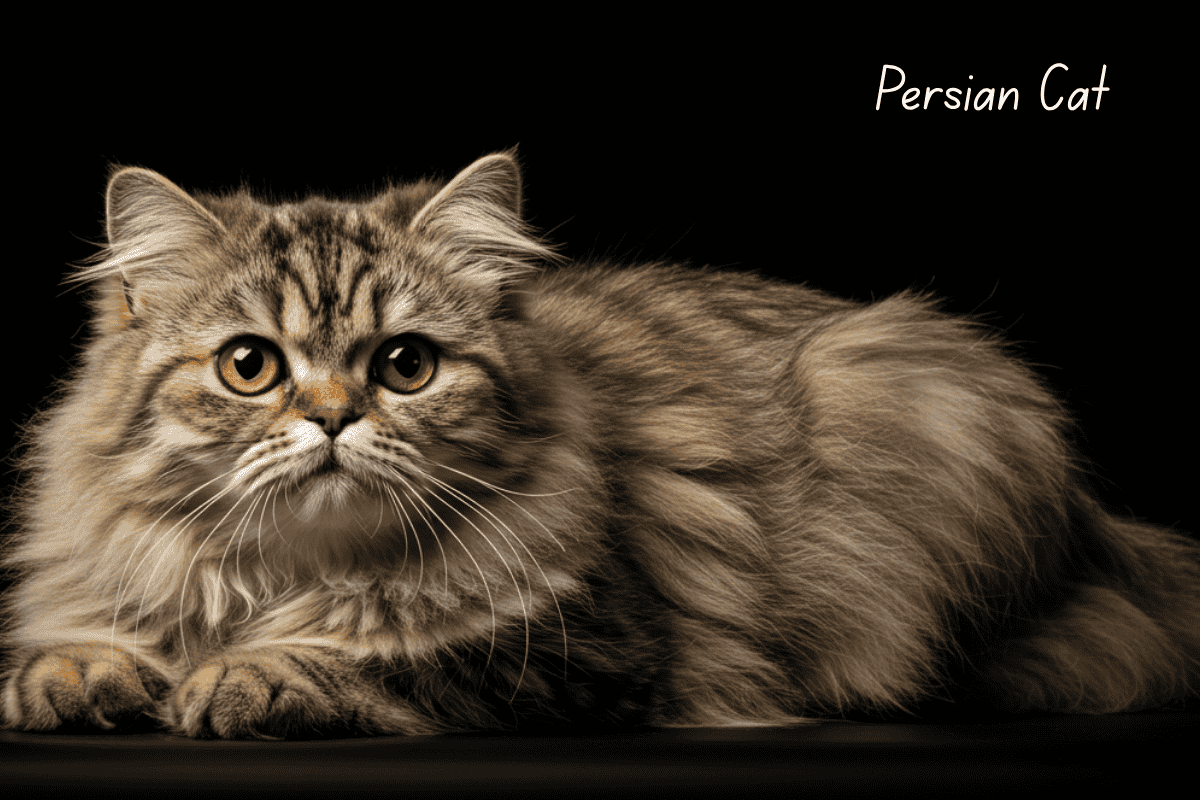
Persian cats require daily grooming (15-30 minutes) with a metal comb to prevent matting and tear staining. They are prone to respiratory issues, polycystic kidney disease, and eye problems, requiring regular veterinary care and daily eye cleaning.
Daily Persian cat care:
- Brush daily with wide-toothed metal comb
- Clean eyes daily to prevent tear staining
- Bathe every 4-6 weeks
- Monitor for respiratory issues
- Schedule annual vet check-ups
The Persian cat is renowned worldwide for its luxurious coat and gentle personality. This aristocratic breed, originating from the ancient Persian Empire, has captured hearts around the globe, but also demands specific care that many pet parents discover only after bringing their feline home.
Understanding the fundamentals of Persian cat care is crucial to ensure these majestic felines remain healthy and happy. In this guide, we cover everything from grooming routines to proper nutrition, so you can give the best to your furry companion.
?Behavioral Characteristics of the Persian Cat
?️ Tendency to Vocalize
Persian cats are generally quiet and reserved. They rarely meow excessively and tend to communicate subtly, often using soft sounds or expressive looks. Their calm demeanor makes them ideal for peaceful households, though they may vocalize gently when they need attention or food.
? Intelligence and Memory
While not known for high-energy play or complex tricks, Persians possess a steady and observant intelligence. They remember routines, recognize familiar voices, and respond well to gentle handling. Their memory helps them adapt to structured environments and consistent care routines.
❤️ Affection Toward Humans
Persians are deeply attached to their human companions, often forming strong bonds with one or two people in the household. They enjoy being near their humans, prefer quiet cuddles over active play, and thrive in environments where they feel safe and loved.
?♂️ Activity Level
This breed is low-energy and relaxed. Persian cats are not particularly playful or curious compared to other breeds. They prefer lounging in cozy spots and observing their surroundings rather than climbing or exploring. Their disposition suits indoor living and tranquil homes.
? Patience with Children
Persians are gentle and tolerant, but they may not enjoy rough handling or loud environments. They can coexist peacefully with children who are taught to respect their space and interact calmly. Their patience makes them suitable for families, especially with older kids.
? Receptiveness to Other Pets
Persian cats are usually non-aggressive and adaptable, making them compatible with other calm pets. They may take time to warm up to new animals but rarely show territorial behavior. Gradual introductions and a peaceful environment help them coexist harmoniously.
? Physical Characteristics of the Persian Cat
| Characteristic | Detail |
|---|---|
| Weight (Adult) | Males: 5–7 kg (11–15 lb) • Females: 3.5–5.5 kg (8–12 lb). A medium-to-large breed, naturally heavy and robust. |
| Size (Height) | Compact, muscular body with a rounded appearance. Generally medium to large in overall size but with a short, cobby build and low-to-the-ground posture. |
| Height | Approximately 25–30 cm (10–12 in) at the shoulder. |
| Eyes | Large, round and expressive. Eye color varies with coat: copper, gold, blue, green, or odd-eyed (heterochromia) in some patterns. |
| Head | Broad and rounded with full cheeks, short flat nose (a “peke-face” in some show lines), and a strong jawline. |
| Ears | Small, rounded at the tips, set wide apart and low on the head. |
| Tail | Short to medium in length relative to body, very fluffy and carried level with the back. |
| Coat | Long, dense double coat with a thick undercoat and a smooth outer layer. Requires daily grooming to prevent mats and keep the coat healthy. |
| Colors & Patterns | Over 100 recognized patterns and colors: solid, bicolor, tricolor, tabby, colorpoint, chinchilla, smoke, shaded and more. Very diverse color genetics across lines. |
| Life Expectancy | Generally between 12 to 17 years; with excellent care some Persians live into their late teens (up to ~20 years). |
| Notes | Persians are calm, affectionate, and prefer a quiet, stable home. They are popular for their placid temperament but can have breathing or tear-duct issues in extreme flat-faced lines—regular vet checks are important. |
Persian cats need consistent coat care: daily brushing, occasional professional trims, regular eye cleaning for tear staining, and a balanced diet to support skin and coat health. Routine veterinary care helps detect breed-specific concerns early.
?Why Persian Cats Need Special Care ?
? Unique Characteristics of the Persian Cat Coat
The Persian cat’s coat has two distinct layers: a dense undercoat and long, silky guard hairs. This double structure, which can reach up to 5 inches in length, gives the breed its majestic appearance but also presents unique challenges:
– Prone to matting, especially in friction areas
– Debris accumulation from dust, leaves, and litter
– Formation of painful mats when not brushed adequately
– Risk of dermatitis due to moisture and dirt buildup
? Common Health Issues in the Breed
Persian cats are predisposed to several specific conditions:
– Respiratory problems due to their flat face (brachycephaly), especially in hot weather
– Excessive tearing from blocked tear ducts, causing dark stains around the eyes
– Polycystic Kidney Disease (PKD), a genetic condition affecting a significant portion of the breed
? Brushing: The Foundation of Persian Cat Care
? Ideal Brushing Frequency
Daily brushing is essential—not optional. It prevents matting and supports overall coat health.
? Proper Brushing Technique
Step 1: Preparation
– Choose a quiet, well-lit area
– Have all tools within reach
– Calm your cat with gentle petting
Step 2: Brushing Sequence
1. Start with a wide-toothed metal comb
2. Use a slicker brush for the undercoat
3. Finish with a bristle brush to distribute natural oils
Step 3: Focus Areas
– Armpits and groin
– Belly
– Behind the ears
– Base of the tail
?Persian Cat Care: Nutrition for a Healthy Coat
The quality of a Persian cat’s coat is directly linked to its diet. Key nutrients include:
– Omega 3 and 6 fatty acids: Promote shine, reduce inflammation, and strengthen the skin barrier
– High-quality proteins: Essential for hair growth; should make up at least 26% of the diet
– Biotin and zinc: Support follicle health and reduce shedding
?️Persian Cat Care: Health Problem Prevention
?️ Eye Care
Daily cleaning is necessary:
1. Use gauze moistened with saline solution
2. Clean from the inner corner outward
3. Dry thoroughly to prevent irritation
? Kidney Health Monitoring
Due to PKD risk:
– Schedule regular vet checkups
– Monitor water intake
– Watch for urinary changes
– Consider kidney-supportive diets after age 7
?️ Respiratory Care
To reduce breathing issues:
– Keep the environment ventilated
– Use humidifiers on dry days
– Avoid intense activity in heat
– Monitor for signs of distress
? Daily and Weekly Care Routine
Morning (5–10 minutes)
– Eye cleaning
– Quick brushing
– Check for tangles
Evening (15–20 minutes)
– Full brushing routine
– Facial cleaning if needed
– Bonding time
Weekly
– Bathing (every 4–6 weeks)
– Nail trimming
– Ear cleaning
– Weight check
? Signs of Coat or Health Problems
Coat Issues:
– Hair loss
– Red or irritated skin
– Strong odor
– Persistent mats
General Symptoms:
– Appetite or water intake changes
– Breathing difficulty
– Lethargy
– Urinary issues
⚠️ The Importance of Prevention
Preventive care for Persian cats goes beyond aesthetics—it’s essential for their health and well-being. Daily grooming, proper nutrition, and regular monitoring can prevent serious and costly issues.
Each cat is unique. Some Persians may need more intensive care, while others adapt easily. The key is consistency and observation.
Your dedication will be rewarded with years of companionship from a healthy, radiant, and affectionate feline.
❓ Persian Cat Care: Frequently Asked Questions
How often should I brush my Persian cat?
Daily brushing is necessary to prevent matting and maintain coat health.
What’s the best food for Persian cats?
Choose high-protein, omega-rich diets tailored to long-haired breeds.
How can I reduce hairballs?
Daily brushing and fiber-rich diets help minimize hairball formation.
Why does my Persian have dark stains around the eyes?
Excessive tearing is common. Clean daily and keep the area dry.
When should I bathe my Persian cat?
Every 4–6 weeks or when visibly dirty. Use gentle, cat-safe products.
My Persian gets stressed during brushing. What should I do?
Start with short sessions, use positive reinforcemente, and be patient.
Explore veterinary and professional grooming resources: The ASPCA, AAFCO, and certified cat grooming professionals provide extensive guidance on feline coat care and health. Discover professional resources on long-haired cat care — access expert advice on nutrition, grooming techniques, and breed-specific health management.

Long-Haired Cats — Breeds, Characteristics & Essential Care
Majestic coats, gentle personalities, and special grooming needs — discover how to care for Persian, Maine Coon, Ragdoll and other long-haired breeds so they thrive and shine.

With the sensitivity of one who loves deeply, Sissi writes stories celebrating the animal world. Her felines Estrela and Safira illuminate her days, while Pete and Gabrich live eternally through her words. Every piece she writes is a love letter to the companions who make life truly meaningful.