
Mature Adult Cat Grooming Changes (7–10 Years): Early Body Language Signs of Pain, Dental Issues & Mobility Decline
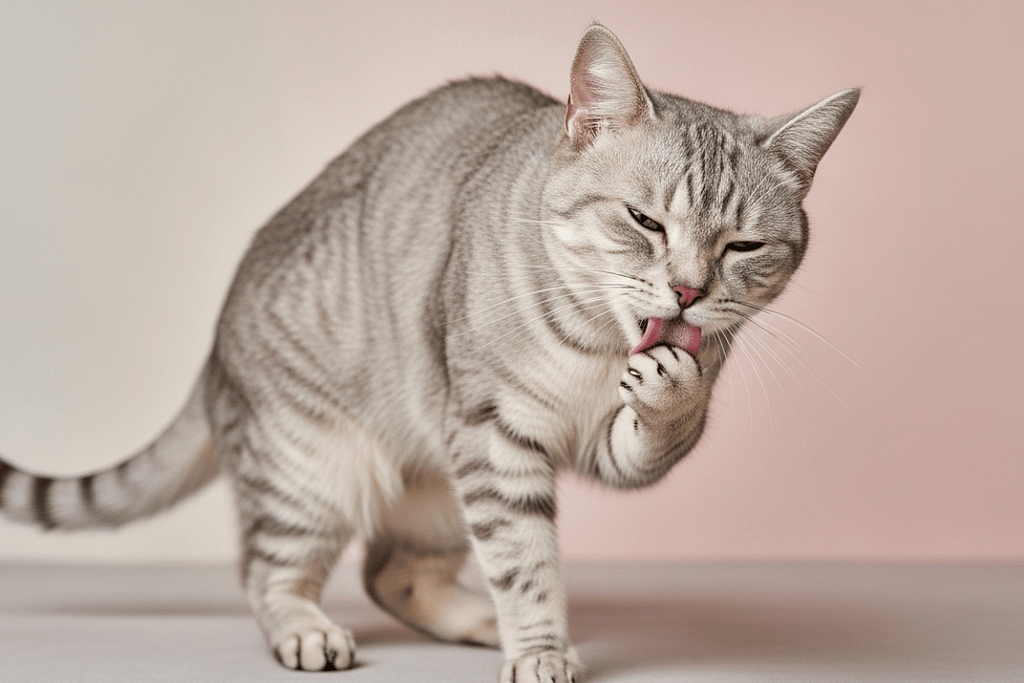
Mature adult cat grooming changes between ages 7–10 reveal early signs of pain, dental discomfort, or mobility decline. Missed spots, uneven fur, or shorter grooming sessions are subtle signals that your cat’s body language is shifting—early detection keeps your feline comfortable and healthy.
A mature adult cat (7–10 years old) often begins showing small but meaningful grooming differences: missed spots, uneven coat texture, and shorter self-cleaning sessions. These mature adult cat grooming changes are early whispers of discomfort—revealing hidden pain, stiffness, or dental sensitivity long before obvious symptoms emerge.
? When Mature Adult Cat Grooming Changes Start to Show
Your cat still seems healthy—sleek, affectionate, and playful—but small signs appear quietly.
A scruffy patch.
A missed spot on the lower back.
A shorter grooming session.
A moment of hesitation while twisting to lick a hip.
These mature adult cat grooming changes aren’t random. They are body language cues of early pain or reduced flexibility. Understanding them means seeing what your cat is too proud to show.
See also: Mature Adult Cat Jump Changes — Early Clues of Joint Pain.
? Why Mature Adult Cat Grooming Changes Matter Between Ages 7–10
Cats are natural grooming athletes—gymnasts with tongues. Grooming demands full-body mobility, balance, and energy. When grooming changes appear, they point to deeper issues.
Healthy grooming requires:
- full spinal flexibility
- hip and joint rotation
- abdominal comfort
- dental health
- stable balance
If any of these falter, the grooming ritual falters too.
?✨ 1. Patchy or Missed-Spot Mature Adult Cat Grooming Changes
The lower back and hips become less tidy—the first classic clue of a mature adult cat grooming change.
Why? These motions demand twisting, leg lifting, and balance—movements that early arthritis or stiffness make difficult.
What you’ll notice:
- scruffier fur near the tail
- dull coat texture
- dandruff in the same area
- uneven grooming coverage
These small signals are body language, not laziness.
? 2. Reduced Flexibility During Grooming
You may see your cat start grooming a spot, pause halfway, or give up mid-motion. These micro-stiffness signs show your cat is adjusting behavior around discomfort.
? If grooming attempts shorten or skip areas, arthritis or joint pain is likely.
? 3. Over-Grooming Pain Areas (Especially Joints)
Cats instinctively lick where it hurts. Over-grooming joints is a self-soothing signal common in the mature adult cat stage.
Common pain zones: hips, knees, elbows, wrists, base of spine.
What to notice: thinning hair, red skin, repetitive licking, or chewing joints during stress.
This pattern is one of the clearest early pain indicators.
? 4. Dental Pain Reflected in Grooming Changes
Dental issues are a hidden driver of mature adult cat grooming change. If grooming declines suddenly, mouth pain may be the cause.
Why it happens: grooming involves tongue pressure, jaw motion, and neck flexibility—all impacted by dental discomfort.
Dental grooming clues:
- stops mid-groom
- drooling or saliva drops
- licking lips repeatedly
- foul breath
- pawing at mouth
- dropping food
Dental disease spikes between ages 7–10, even in indoor cats.
? 5. Coat Texture Changes: The Silent Alarm
Healthy cats have glossy, even coats. When the coat turns greasy, flaky, or dull, it signals self-care decline due to pain, mobility limits, or dental problems. It’s not just “old age” — it’s your cat’s body language asking for help.
? 6. Grooming Fatigue — Shorter, Incomplete Sessions
Mature adult cats may groom for shorter periods, focusing only on easy-to-reach spots.
Causes:
- early arthritis
- lower energy
- dental pain
- mild discomfort discouraging effort
Watch for grooming that ends abruptly or skips entire body regions.
? 7. Litter Box Behavior & Mature Adult Cat Grooming Connection
Litter box posture and grooming reflect the same physical comfort level.
A cat who avoids squatting or hesitates to enter the box likely feels hip or spine pain—the same pain that disrupts grooming.
? Monthly Grooming & Wellness Checklist
Check these once per month:
1. Coat Condition: dull, greasy, or flaky?
2. Grooming Coverage: hips, back, and belly clean?
3. Grooming Duration: shorter or paused sessions?
4. Over-Grooming: licking joints or chewing fur?
5. Dental Signs: drooling, foul breath, reduced grooming?
? If two or more change → schedule a vet visit.
? When to Call the Vet
Immediate: bald patches, wounds from overgrooming, refusal to groom, sudden coat decline.
Concerning: greasy coat, skipped areas, excessive joint licking, weight loss with grooming decline.
Vets will check: arthritis, dental disease, thyroid and kidney function, stress, and skin allergies.
?️ Supporting Your Mature Cat’s Grooming Routine
- Daily brushing: helps your cat reach hard spots.
- Orthopedic bedding: reduces joint pressure.
- Joint supplements: start at 7 (glucosamine, chondroitin, omega-3).
- Dental care: brushing, dental treats, yearly cleanings.
- Warmth: heated beds and cozy environments ease flexibility.
? Did your cat stop jumping as high? That’s your first gentle warning of joint discomfort. Read the Guide to Early Mobility & Jump Changes (Ages 7–10)
u003cstrongu003eWhy is my cat missing grooming spots?u003c/strongu003e
Missed spots indicate pain, stiffness, or dental discomfort.
u003cstrongu003eWhy does my mature cat’s coat look dull or greasy?u003c/strongu003e
It reflects grooming decline due to joint or mouth pain.
u003cstrongu003eIs it normal for older cats to groom less?u003c/strongu003e
Slightly less, yes—but noticeable reduction means discomfort.
u003cstrongu003eWhy does my cat over-groom its joints?u003c/strongu003e
Cats lick where it hurts. Over-grooming signals early arthritis.
? Final Thought
Grooming isn’t vanity—it’s a vital part of your cat’s wellness routine. When mature adult cat grooming changes appear, your cat is speaking through body language. Listening early means preventing pain later.
? Did your cat stop jumping “quite as high” or take the long way up?
Those tiny changes in movement are your first, gentle warning signs of joint pain and arthritis.
Read the Guide to Early Mobility & Jump Changes (Ages 7–10)? Final Thought
Grooming isn’t vanity.
It’s your cat’s wellness ritual — their daily self-maintenance system.
So when grooming changes, even slightly, it means the body is speaking.
Your job is simple and profound:
Listen now, so your cat doesn’t suffer later.
Want to deepen your understanding of feline behavior?
Explore these trusted resources and discover how science supports positive reinforcement for strong-willed cats.
? Around age 7, your cat’s body language quietly changes.
They may still look the same, but their signals start to whisper about aging, early pain, and new needs.
Learn the 7-Year Shift: Mature Cat Body Language (7–10 years)
With the sensitivity of one who loves deeply, Sissi writes stories celebrating the animal world. Her felines Estrela and Safira illuminate her days, while Pete and Gabrich live eternally through her words. Every piece she writes is a love letter to the companions who make life truly meaningful.