
Mature Cat Body Language (Ages 7–10): Understanding Midlife Feline Signals
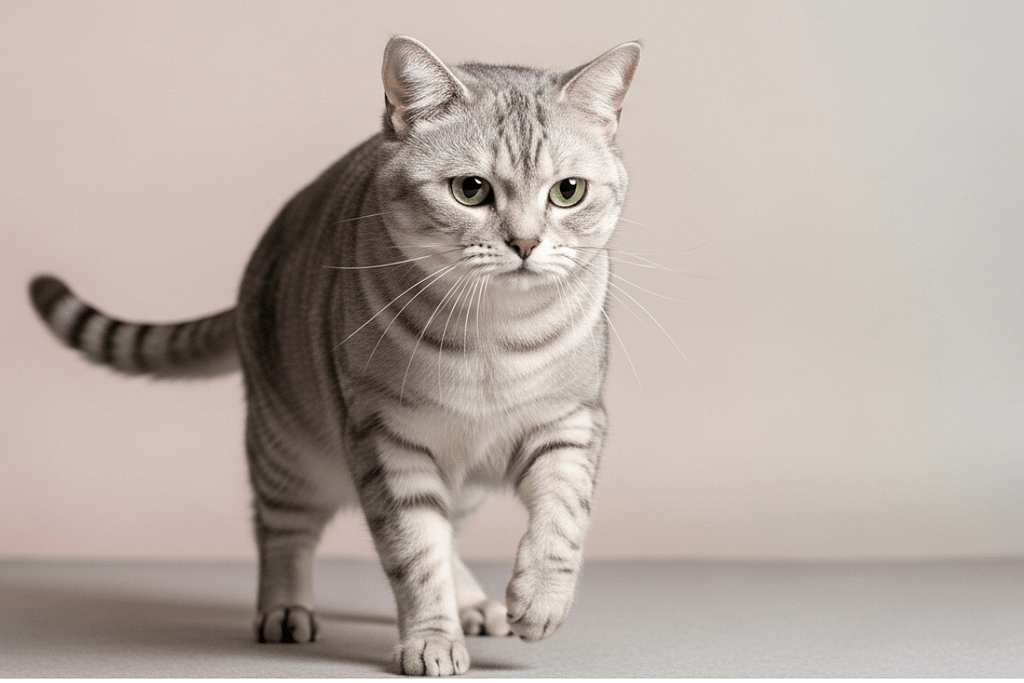
Between ages 7 and 10, mature adult cat body language reveals subtle but important changes: lower tail carriage, shorter play sessions, grooming gaps, and litter box hesitation. These micro-shifts often signal early pain or illness long before symptoms appear.
? Your Cat Isn’t Old—It’s a Mature Adult Cat
At seven, your cat still seems young—playful, curious, and confident. But if you compare videos from age four to today, you’ll notice small shifts in mature adult cat body language:
- The confident tail rises slightly lower.
- Jumps are more deliberate.
- Play sessions end sooner.
- Sleep positions appear more careful.
- Grooming coverage changes.
Individually, these are small. Together, they mark the transition from prime adult to mature adult cat.
? Why the 7–10 Window Matters in Mature Adult Cat Body Language
Veterinarians typically start “senior care” around age 10, but mature adult cat body language begins shifting around seven. Waiting until ten means reacting, not preventing. The mature stage is your best window for proactive feline care.
? Early Detection Through Body Language Helps You:
- Slow arthritis before it becomes painful.
- Adapt your cat’s environment before mobility declines.
- Catch dental disease before tooth loss.
- Detect kidney or thyroid issues early.
This is your cat’s midlife checkpoint—not old, not senior, but evolving.
? What Makes Mature Adult Cat Body Language Unique
? 1. Subtlety Becomes the Norm
Mature adult cat body language changes gradually—hard to spot daily, clear over months.
⚙️ 2. Efficiency Over Explosiveness
A mature adult cat moves with precision and intention—behavior reflects wisdom and experience.
? 3. Comfort Becomes Priority
Mature adult cats prefer soft surfaces, warm spots, and gentle landings over bursts of speed.
? 4. Decline Is Gradual, Not Dramatic
Mature adult cat behavior whispers before it speaks—quiet shifts reveal much.
? The Mature Adult Cat Body Language Dictionary
? 1. Mobility & Jumps
Before: floor → counter
Now: floor → chair → counter
This isn’t laziness—it’s strategy. Shorter jumps reduce joint stress.
Early Signs: hesitation before jumping, avoiding heights, slower mornings.
? 2. Sleep Positions & Comfort
Mature adult cats often stretch out rather than curling up. Extended limbs relieve joint pressure.
Watch for: more repositioning, warmth-seeking, avoiding hard surfaces.
?⬛ 3. Tail Height
Tail carriage lowers slightly in mature adult cats—from vertical (90°) to 70–80°. This subtle shift in body language can indicate joint or spinal discomfort.
? 4. Grooming Patterns
Flexibility decreases first. Hard-to-reach spots may look unkempt. Over-grooming near joints can signal pain.
Red Flags: scruffy patches, dandruff, mid-groom pauses, bald spots near joints.
? 5. Play Style
Mature adult cats still play, just differently—shorter, strategic, and less vertical.
Watch for: reduced pouncing, avoiding leaps, shorter play sessions.
? 6. Litter Box Body Language
The litter box is a key indicator in mature adult cat body language. Entry hesitation or perching can indicate early pain.
Warning Signs: reduced covering, edge perching, accidents near the box.
? 7. Social & Emotional Shifts
A mature adult cat might withdraw slightly or tire of long petting sessions. This change in body language often reflects discomfort.
Look for: new hiding, irritability, or reduced social interaction.
? The Monthly Mature Adult Cat Body Language Checklist
Track subtle shifts once a month:
Mobility: hesitation before jumps, slower starts.
Tail: lower carriage, stiffness.
Grooming: uneven coat, over-grooming joints.
Sleep: more repositioning, warmth-seeking.
Play: shorter sessions, reduced pouncing.
Litter box: entry hesitation, accidents nearby.
If three or more categories change—schedule a vet exam.
? When to Call the Vet
- Monitor (24 hours): mild quietness, skipped meal.
- Call within 24–48 hours: reduced play, avoiding jumps, new hiding.
- Emergency: straining to urinate, collapse, sudden severe pain.
? Healthy Aging & Mature Adult Cat Body Language
A thriving mature adult cat still jumps, grooms, and plays shorter sessions. Slowing is natural—suffering is not.
? Environmental Support for Mature Adult Cats
- Add ramps and steps to reduce joint impact.
- Provide orthopedic or heated beds.
- Use wide, shallow bowls for neck comfort.
- Lower perch heights for easy access.
? The 7-Year Wellness Workup
Ask your vet about:
- CBC & chemistry panel
- Thyroid (T4)
- Urinalysis & blood pressure
- Dental exam
- Joint mobility & pain assessment
This sets your cat’s healthy aging baseline.
Want to deepen your understanding of feline behavior?
Explore these trusted resources and discover how science supports positive reinforcement for strong-willed cats.
❓ People Also Ask about mature adult cat body language
What are the first signs of aging in cats 7–10 years old?
Hesitation before jumping, lower tail height, shorter play sessions, and mild grooming changes.
Is my 7-year-old cat considered old?
No — 7–10 is “mature adult,” not senior. But this is when early changes begin.
How can I tell if my mature cat is in pain?
Watch for hesitation to jump, changes in grooming, sleeping in new spots, and irritability when touched.
Do cats hide pain in this age range?
Yes. Mature cats are experts at masking discomfort. Body language reveals what behavior hides.
✨ Noticing subtle changes in your mature cat’s grooming habits?
These early body language signs can reveal hidden pain, dental issues, and mobility challenges before they become obvious. Learn how to spot them early and support your cat’s comfort. Read:
Mature Cat Grooming Changes GuideMature Cat Mobility & Jump Changes
? Senior cats speak a softer, more serious body language.
The same tail, purr, or sleeping pose can suddenly mean pain, confusion, or deep fatigue instead of simple contentment.
Dive into the Senior Cat Body Language Guide (10+ years)Cat body language by age changes dramatically across life stages. Cat body language doesn’t mean the same thing at every age. This guide decodes body language across all six feline life stages so you can interpret your cat accurately — and catch red flags early.
Explore the Full Guide? Final Thought
Your cat isn’t “getting old.”
They’re entering a quieter, wiser chapter.
A chapter where small changes mean everything — and your attention becomes the bridge between comfort and pain-free years ahead.
The 7-Year Shift isn’t a decline.
It’s an invitation:
Pay attention now. Protect them forever.

With the sensitivity of one who loves deeply, Sissi writes stories celebrating the animal world. Her felines Estrela and Safira illuminate her days, while Pete and Gabrich live eternally through her words. Every piece she writes is a love letter to the companions who make life truly meaningful.