
Adult Cat Body Language (2-7 years) Explained: Signs Every Cat Parent Should Know
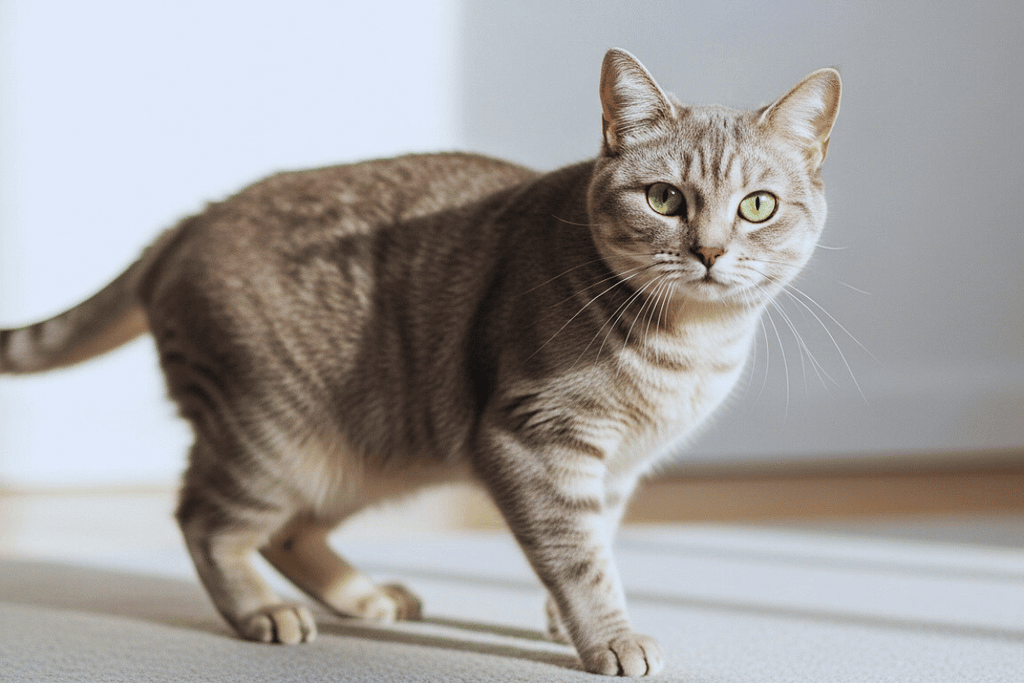
Between ages 2 and 7, adult cat body language becomes clearer and more consistent. Tail carriage, ear position, facial muscles and slow blinks stabilize, making this the ideal time to document your cat’s behavioral baseline.
Keeping a simple record of your adult cat’s normal body language helps you notice subtle changes early, which can be the first signs of pain, illness or stress later in life.
?⬛ Why Adult Cat Body Language (2–7 Years) Is Different
After kitten chaos and teenage unpredictability, most cats reach a communication “sweet spot” around age 2. Their body language becomes more predictable, intentional, and easy to read, giving you a clear picture of what “normal” looks like. This adult stage is the ideal reference point for the rest of your cat’s life, helping you spot subtle behavior or health changes early.
As your cat enters adulthood, their body language finally settles into a stable “default setting.” Three big shifts make this stage much easier to understand:
? Consistency
Signals mean the same thing every time — no more developmental surprises.
? Intentionality
Adults use body language purposefully to communicate needs and preferences.
? Clarity
Tail angles, micro-expressions, slow blinks, and ear positions become reliable.
? The Adult Cat Body Language Dictionary — Mastered Signals
? 1. Slow Blink — Peak Mastery (3–5 Years)
- Relaxed face, slow eye close → trust and affection
- Respond with a slow blink, soft tone, and gentle presence
- If slow blinks suddenly stop → stress or vision problems
? 2. Confident Tail — The Signature Adult Signal
- Tail upright with soft curve
- Tail-tip twitches = interest
- Tail down or tucked = stress, fear, or possible pain
- Sudden long-term shift = vet check
? 3. Refined Ear Communication — Adult Precision
- Forward: curious, friendly
- Sideways: uncertain
- Back: irritated
- Flat: fear or aggression
- Minimal movement = ear infection or discomfort
? 4. The Loaf — Ultimate Comfort Signal
- Tucked paws, upright posture
- Content loaf: soft eyes, relaxed whiskers
- Alert loaf: scanning, ears swiveling
- “Leave me alone” loaf: tense face, tail twitch
- Never loafs = possible pain or mobility issues
?️ 5. Belly Exposure — Trust, Temperature, or Trap
- Adults rarely show belly for petting
- Soft face + relaxed paws = trust
- Wide pupils + tense limbs = defensive
- Assume “look but don’t touch” unless your cat clearly enjoys belly rubs
? 6. Hunting Sequence — Peak Adult Performance
- Detection → Stalk → Wiggle → Pounce → Capture
- All indoor cats need this sequence
- Support with interactive toys, 10–15 minutes, 2–3x/day
- Sudden disinterest = possible illness
? Adult cat Body Language Signals — Cat-to-Human & Cat-to-Cat
? Friendly Greeting — Positive Adult Cat Body Language
In adult cat body language, a friendly greeting includes tail-up posture, gentle head bunts, cheek rubs, and figure-8 weaving. These behaviors indicate trust and emotional comfort.
?️ Neutral Greeting — Calm Adult Cat Assessment
A neutral greeting in adult cat body language involves pausing, observing, and keeping moderate distance while evaluating the environment.
? Anxious Greeting — Stress Signals in Adult Cat Body Language
Low tail, cautious steps, and indirect approaches indicate anxiety. These subtle cues help identify emotional discomfort early.
? Scent Marking — A Core Element of Adult Cat Body Language
Bunting, body rubs, and chin marking express bonding and territory confidence, crucial components of adult cat communication.
? Kneading & Social Grooming — Affection in Adult Cat Body Language
Kneading or grooming displays deep comfort and bonding, signaling strong social connections.
?️ Establish Your Cat’s Baseline (Critical for Ages 2–7)
? Physical Baseline Checklist
- Tail height & curvature: Track changes in tail carriage as part of adult cat body language.
- Ear angles: Compare relaxed vs. alert states.
- Natural posture: Loaf, stretch, and resting behaviors.
- Jump height: Mobility changes show early physical decline.
- Grooming reach: Reduced cleaning range indicates pain or stiffness.
? Behavioral Baseline Checklist
- Play style & stamina
- Daily activity rhythms
- Vocalization patterns
- Stress responses
- Interactions with humans and other cats
These behaviors shape and modify adult cat body language.
? Context Matters — How to Interpret Adult Cat Body Language Correctly
? Example: Tail Lashing in Adult Cats
- During play: excitement
- During petting: overstimulation
- At the window: prey frustration
- Meeting another cat: irritation or warning
Always read: tail + ears + eyes + posture + context.
? Red Flags in Adult Cat Body Language (When to Call the Vet)
⚡ Physical Warning Signs
- Tail suddenly lower
- Hesitation to jump
- Hunched posture
- Limping
- Sudden grooming decline
- Weight shifts
? Behavioral Warning Signs
- New hiding
- New aggression
- Litter box changes
- Appetite changes
- Sleep disruptions
- Social withdrawal
? The 24-Hour Rule
- Mild changes: monitor for 24 hours
- If unchanged → call the vet
- If worsening → urgent visit
- Severe signs → emergency care immediately
? Environment & Enrichment for Healthy Adult Cat Body Language
? Territory Confidence
Confident adult cats carry their tails high and explore freely.
Stressed adult cats hide, avoid rooms, and move cautiously.
? Play Requirements
- 2–3 interactive sessions
- 10–15 minutes
- Finish with a “catch”
- Rotate toys to mimic prey behavior
? Annual Action Plan for Adult Cats (Ages 2–7)
? What to Record Each Year
- Photos/videos of posture
- Jump strength
- Tail carriage
- Play preferences
- Dental check + full vet exam
? Preparing for Age 7 — Understanding the Next Transition in Body Language
? Expected Changes
- Slightly lower tail height
- Shorter jumps
- Selective play
- Preference for soft surfaces
Documenting these helps separate normal aging from medical issues.
? Questions Cat Parents Ask About Adult Cat Body Language
❓ Is a slow blink always affection?
Usually, yes — if the rest of the body is relaxed.
❓ My adult cat stopped loafing. Should I worry?
Yes. Losing the loaf position may indicate pain or mobility issues.
❓ How often should adult cats play?
2–3 interactive sessions daily.
❓ What changes require a vet visit?
Any new behavior lasting more than 24 hours or immediate severe symptoms.
? Want to track your cat’s baseline easlily ?
? Explore our Daily Behavior Baseline Method and learn how to track posture, habits, and subtle signals in just a few minutes a day and download our printable Adult Cat Baseline Checklist. Click here!
Cat body language by age changes dramatically across life stages. Cat body language doesn’t mean the same thing at every age. This guide decodes body language across all six feline life stages so you can interpret your cat accurately — and catch red flags early.
Explore the Full GuideWant to deepen your understanding of feline behavior?
Explore these trusted resources and discover how science supports positive reinforcement for strong-willed cats.
? Around age 7, your cat’s body language quietly changes.
They may still look the same, but their signals start to whisper about aging, early pain, and new needs.
Learn the 7-Year Shift: Mature Cat Body Language (7–10 years)
With the sensitivity of one who loves deeply, Sissi writes stories celebrating the animal world. Her felines Estrela and Safira illuminate her days, while Pete and Gabrich live eternally through her words. Every piece she writes is a love letter to the companions who make life truly meaningful.