
⭐ Teenage Cat Body Language: Why Your 6–24 Month Kitten Rebels
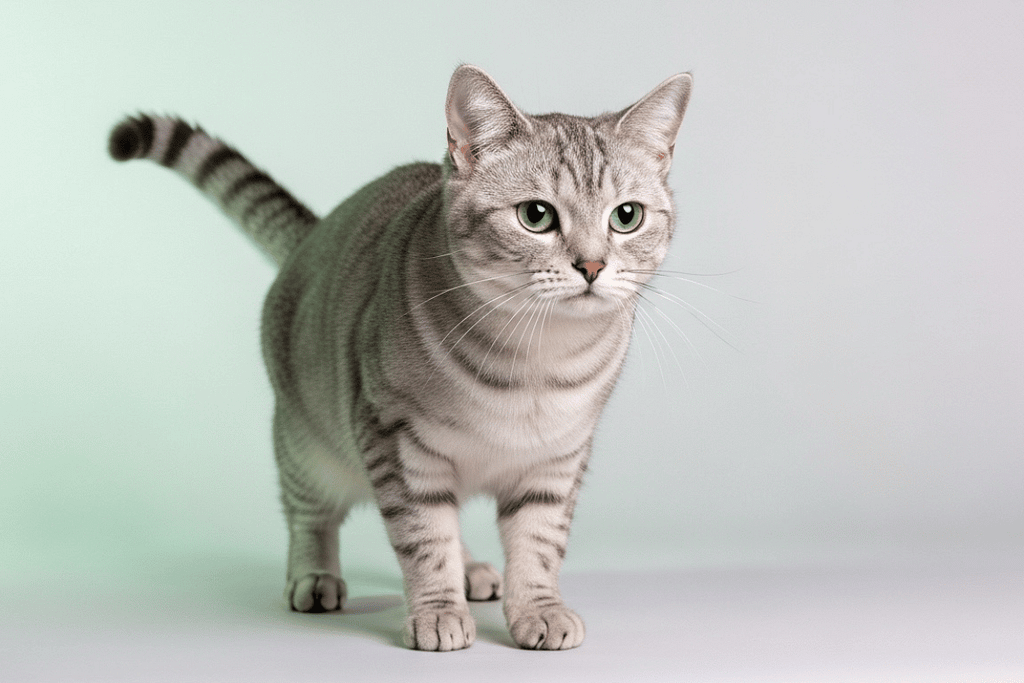
Teenage cat body language shifts dramatically between 6–24 months as your kitten enters adolescence. Their swagger, selective hearing, zoomies, and boundary-testing aren’t misbehavior—they’re developmental signals shaped by hormones, maturing instincts, and growing independence.
Understanding these cues helps you guide your teen cat with confidence and compassion.
? What Is Teenage Cat Body Language in cats?
A teenage cat is a walking contradiction: confident yet unsure, affectionate yet independent. Between 6 and 24 months, their body language becomes a vivid mix of kitten instincts, adult drives, and adolescent experiments.
Many owners ask:
- “Why is my cat ignoring me now?”
- “Why the sudden attitude?”
- “Is this hormones or behavior?”
Truth: your kitten is now a teenager, and every signal in their body language reflects a rapidly maturing brain.
⏳ The 4 Phases of Teenage Cat Body Language (6–24 Months)
Stage 1 — Initial Growth (6–9 months)
- Kitten body fading
- Energy skyrockets
- First boundary tests
- Hormones begin if intact
Stage 2 — True Adolescence (9–14 months)
- Peak selective hearing
- Identity formation
- Most dramatic and confusing signals
- Rules feel optional
Stage 3 — Late Adolescence (14–18 months)
- Slightly calmer
- Predictable patterns
- Exploration still strong
Stage 4 — Transition to Adulthood (18–24 months)
- Body language stabilizes
- Personality becomes clear
- Teenage attitude fades
? Understanding the Behavioral Transition to Teenage Cat Body Language
As cats progress through the developmental stages of adolescence, their communication patterns shift in ways that reflect profound neurological and hormonal changes.
During this period, body language becomes a primary behavioral indicator of cognitive maturation, environmental appraisal, and emerging social strategies.
These subtle yet measurable shifts — from posture to gaze modulation, from ear orientation to locomotion style — represent the foundation of how young cats perceive, interpret, and respond to their surroundings.
Below, we outline the seven major signals of teenage cat body language, supported by current behavioral science, to help you more accurately decode the intentions and internal states of your adolescent feline.
? Signal 1: Confidence Swagger
What It Looks Like
- Tail high
- Slow, intentional strides
- Direct eye contact
- Entering “forbidden” spaces to gauge your reaction
What It Means
- “I’m evaluating my surroundings.”
- “How much freedom do I have?”
- Social structure mapping
How to Respond
- Stay calm
- Guide instead of punishing
- Offer alternatives (shelves, scratching posts)
- Keep boundaries steady
? Signal 2: Selective Hearing Ear Positions
What It Looks Like
- One ear alert, one relaxed
- Subtle flicks showing they heard
- Body still, eyes neutral
What It Means
- Independence—not defiance
- Development—not stubbornness
How to Respond
- Avoid overusing their name
- Use high-value rewards
- Reinforce responding voluntarily
⚠️ Signal 3: Boundary-Pushing Paw Behavior
What It Looks Like
- Approaching an object
- Slow paw extension
- Direct eye contact
- Pauses when watched
What It Means
- Cause-and-effect learning
- Studying your reactions
- Cognitive development
How to Respond
- Ignore (boring neutralizes behavior)
- Redirect early
- Remove irresistible objects
? Signal 4: Early Spray Stance (Before Spraying)
What It Looks Like
- Backing up to surfaces
- Tail trembling
- Intense scent checking
- Excessive cheek rubbing
What It Means
- Hormonal activation
- Territorial instincts awakening
Neutering here prevents ~95% of spraying issues.
? Signal 5: The Evolution of Zoomies
Age Progression
- 6–9 months: explosive chaos
- 9–14 months: joyful bursts
- 14–18 months: intentional zoomies
- 18–24 months: short, manageable energy
Normal Zoomies
- Dilated pupils
- Ears streamlined
- Whiskers forward
Not Normal
- Painful meows
- Crashing into walls
- Discomfort after litter box
? Signal 6: Testing Social Hierarchy
Signs
- Blocking doorways
- Staring at other cats
- Paw taps
- Resource control
- Following / shadowing
Healthy vs. Unhealthy
- Normal: mild tests, adult corrects
- Not normal: bullying or hiding
When to Step In
- If a cat hides
- If aggression escalates
- If resources are blocked
? Signal 7: The “Teenage Attitude” Face
What It Looks Like
- Half-closed eyes
- Slight ear tilt
- Dramatic yawn
What It Means
- Mild annoyance
- Emotional boundary
- “I’m done with this conversation.”
? Hormones vs Personality: The Real Difference
Before interpreting the signals your adolescent cat displays, it’s essential to understand what is driving them. During the teenage phase, a cat’s behavior is shaped by two powerful forces operating simultaneously: hormonal activation and personality consolidation.
These forces can overlap, mimic one another, or temporarily amplify certain behaviors — often leading guardians to confuse natural developmental changes with long-term temperament traits.
By distinguishing hormonal behaviors from true personality characteristics, we gain a clearer, more accurate picture of why teenage cat body language shifts so dramatically and how to support a young feline through this transitional stage.
Hormonal Behaviors (Fade 2–8 weeks post surgery)
- Spray stance
- Yowling
- Escape attempts
- Strong scent marking
Personality Traits (Permanent)
- Confidence
- Independence
- Play style
- Expressiveness
? Common Misinterpretations of Teenage Cat Behavior
“My cat is acting out.”
It’s boundary learning.
“My cat hates me.”
It’s independence training.
“My cat is aggressive.”
Often:
- Play aggression
- Overstimulation
- Redirected stress
“They forgot the litter box.”
Many guardians assume that a teenage cat suddenly “forgot” their litter training, but in most cases, the behavior is a signal, not a memory lapse. Here’s what each underlying cause truly means — including the clarification on UTIs.
1. The litter box is too small
As your cat grows rapidly between 6–12 months, a box that once fit comfortably becomes cramped, causing avoidance due to discomfort and lack of space to turn, dig, and bury properly.
? 2. Growth-related discomfort
Adolescent cats may experience temporary joint sensitivity or abdominal discomfort as they mature, making certain positions in the litter box unpleasant and prompting them to seek alternative spots.
? 3. UTI — Urinary Tract Infection
A UTI (Urinary Tract Infection) causes pain, burning, or urgency during urination. Cats may associate the litter box with this discomfort and avoid it, mistakenly believing the box itself is the source of pain.
? 4. Stress-Related Avoidance
Changes in routine, environment, or social dynamics can elevate a teen cat’s stress hormones, leading to litter box aversion as part of generalized anxiety or territorial insecurity.
? Action Timeline — What to Do in Each Phase
6–9 months
- Spay/neuter
- Increase structured play
- Begin clicker training
- Set boundaries
9–14 months
- Most challenging stage
- Stay consistent
- Boost enrichment
14–18 months
- Reinforce positive habits
- Adjust environment
18–24 months
- Behavior stabilizes
- Personality reveals itself
? Red Flags: When Teenage Behavior Isn’t Just a Phase
Seek help if you notice:
- Heightened aggression
- Sudden personality change
- Pain after litter box use
- Excessive grooming
- Strange discharge
- Possible deafness signs
? The Bright Horizon Ahead
Your rebellious fluffball will grow up.
- Today’s plant-jumper becomes tomorrow’s calm adult.
- Today’s selective hearing becomes confident independence.
- Today’s attitude becomes emotional maturity.
Your teenage cat isn’t “bad.”
They’re simply speaking a language you’re finally learning to understand.
Want to deepen your understanding of feline behavior?
Explore these trusted resources and discover how science supports positive reinforcement for strong-willed cats.
Cat body language by age changes dramatically across life stages. Cat body language doesn’t mean the same thing at every age. This guide decodes body language across all six feline life stages so you can interpret your cat accurately — and catch red flags early.
Explore the Full Guide? Want to know what “normal” looks like for your adult cat?
This stage sets the baseline you’ll compare everything else to—confidence, comfort, play, and subtle stress signals.
See the Complete Adult Cat Body Language Baseline (2–7 years)
With the sensitivity of one who loves deeply, Sissi writes stories celebrating the animal world. Her felines Estrela and Safira illuminate her days, while Pete and Gabrich live eternally through her words. Every piece she writes is a love letter to the companions who make life truly meaningful.