
? Cat Anxiety Symptoms: How to Recognize and Help Your Anxious Cat
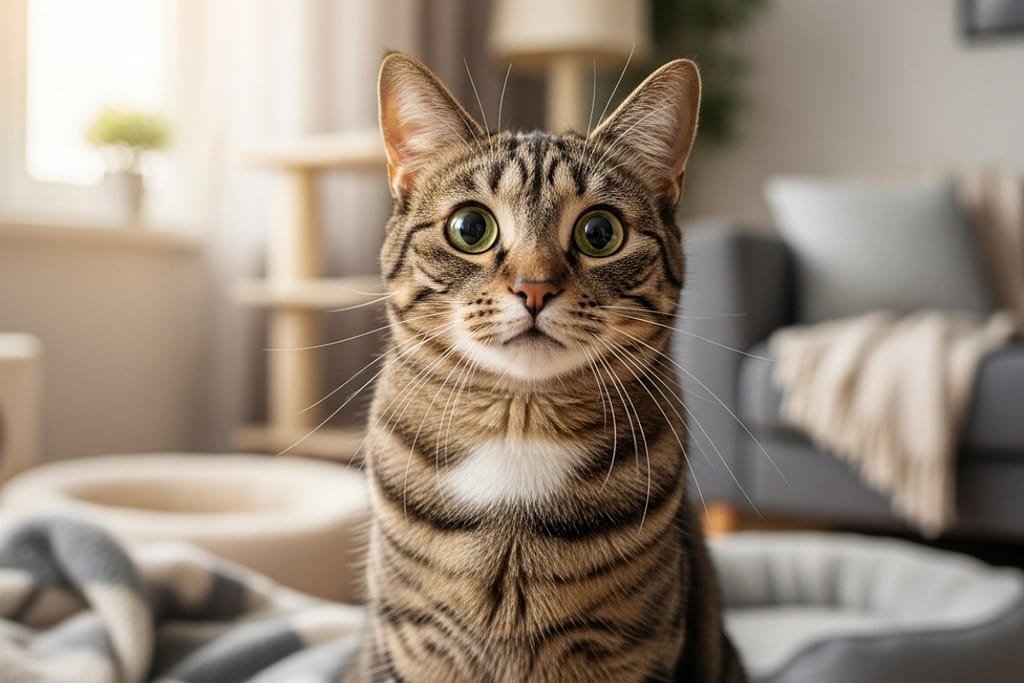
Cat anxiety symptoms are behavioral and physical changes that signal your cat is stressed or feels unsafe. To quickly recognize anxiety, look for sudden shifts like hiding more often, constant meowing, appetite changes, or destructive behavior.Common cat anxiety symptoms include:
- Excessive hiding or sudden withdrawal
- Constant or distressed vocalization
- Sudden aggression (hissing, biting, scratching)
- Over-grooming or complete lack of grooming
- Loss of appetite or stress-eating
- Trembling, rapid breathing, or dilated pupils
- Avoiding the litter box or having accidents
Is your cat acting differently lately? Maybe they’re hiding more, meowing constantly, or avoiding their favorite spots?
You’re not imagining things, and you’re definitely not alone. Cats can experience anxiety just like we do, and recognizing the signs early makes all the difference.
The good news? Once you understand what to look for, you can help your furry friend feel safe and happy again. Let’s dive into everything you need to know about cat anxiety symptoms and what you can do today to help your anxious cat.
? What Is Cat Anxiety?
Cat anxiety is your cat’s emotional and physical response to stress or perceived threats. Think of it as your cat’s way of saying “something doesn’t feel right here.”
Just like humans, cats have a fight-or-flight response. When they feel anxious, their bodies release stress hormones that trigger various physical and behavioral changes.
? Why Cats Get Anxious
Cats are incredibly sensitive creatures. Their wild ancestors needed to be constantly alert to survive, and your domestic cat still carries those instincts.
Changes in their environment, disruptions to their routine, or anything that makes them feel unsafe can trigger anxiety. Sometimes it’s obvious (like moving to a new home), and other times it’s subtle (like rearranging furniture).
? How Common Is Cat Anxiety?
You might be surprised to learn that cat anxiety is extremely common. Studies suggest that a significant percentage of cats experience some form of anxiety during their lives.
The reality is that many cats live with mild anxiety that goes unnoticed. Once you know what to look for, you’ll be amazed at how much your cat is actually communicating with you.
⚡ Understanding Your Cat’s Stress Response
When your cat feels anxious, their body goes into overdrive. Their heart rate increases, muscles tense up, and their senses become hyperalert.
This is why anxious cats often seem jumpy or on edge. They’re literally in a heightened state of awareness, constantly scanning for threats that may or may not exist.
? 12 Common Cat Anxiety Symptoms to Watch For
Now let’s talk about the specific signs that tell you your cat might be struggling with anxiety. Keep in mind that every cat is unique, so your cat might show some of these symptoms but not others.
| Symptom Category | What to Look For | Severity Level |
|---|---|---|
| Physical Signs | Excessive grooming, dilated pupils, rapid breathing, trembling | Moderate to High |
| Behavioral Changes | Hiding, excessive vocalization, aggression, destructive behavior | High |
| Litter Box Issues | Accidents outside box, avoiding litter box, excessive time near box | High |
| Eating & Grooming | Loss of appetite, overeating, neglecting self-care | Moderate to High |
? Physical Symptoms
Excessive grooming or hair loss: If your cat is licking themselves obsessively, especially to the point of creating bald patches, this is a major red flag. Anxious cats use grooming as a self-soothing behavior.
Dilated pupils: When your cat’s eyes look like big black saucers even in normal lighting, anxiety could be the culprit. This is part of their stress response.
Increased heart rate and rapid breathing: You might notice your cat’s chest moving quickly or feel their heart racing when you hold them. This indicates they’re in a heightened stress state.
Trembling or shaking: Just like anxious humans might shake, cats can experience physical tremors when they’re feeling stressed or scared.
? Behavioral Changes
Hiding more than usual: Is your once-social cat suddenly spending hours under the bed or in the closet? Hiding is one of the most common cat anxiety symptoms.
Excessive vocalization: Constant meowing, yowling, or crying (especially at night) can signal distress. Your cat is trying to tell you something’s wrong.
Aggressive behavior: Sudden hissing, scratching, or biting when your cat was previously gentle often points to anxiety. They’re feeling defensive and unsafe.
Destructive behavior: Scratching furniture more aggressively, knocking things over, or engaging in destructive activities can be anxiety-driven behaviors.
? Litter Box Issues
Urinating or defecating outside the litter box: This is one of the most frustrating cat anxiety symptoms for owners. When cats feel stressed, they may avoid their litter box or mark territory.
Anxious cats might also spend excessive time in or around their litter box without actually using it, or they might go in and out repeatedly.
?️ Eating and Grooming Changes
Loss of appetite or overeating: Some anxious cats stop eating altogether, while others stress-eat. Both extremes are concerning and worth monitoring.
Neglecting grooming: On the flip side of over-grooming, some anxious cats stop grooming themselves entirely. If your usually pristine cat looks unkempt, anxiety might be why.
? How to Tell If Your Cat Is Anxious or Just Being a Cat
Here’s where things get tricky. Cats are naturally quirky creatures, and some behaviors that look like anxiety are actually just normal cat stuff.
| Behavior | Normal Cat | Anxious Cat |
|---|---|---|
| Sleeping | 12-16 hours/day in various spots | Sleeping 18+ hours hidden away |
| Hiding | Occasional retreat to quiet spaces | Constant hiding, won’t come out |
| Vocalization | Meowing for food, attention | Excessive, distressed crying |
| Grooming | Regular self-grooming routine | Over-grooming with bald spots OR no grooming |
| Appetite | Consistent eating patterns | Sudden refusal to eat or stress-eating |
| Playfulness | Plays during active times | No interest in play, withdrawn |
? Normal Cat Behavior vs. Anxiety
Cats naturally sleep a lot, enjoy quiet spaces, and can be particular about their routines. A cat sleeping 16 hours a day? Totally normal. A cat suddenly sleeping all day in a hiding spot? That’s different.
The key difference is change. If your cat has always been a bit standoffish, that’s their personality. But if your social butterfly suddenly becomes a hermit, that’s a cat anxiety symptom worth investigating.
⚠️ When to Be Concerned
You should pay attention when behaviors are new, sudden, or extreme. One day of reduced appetite after a vet visit is normal. A week of refusing to eat is a problem.
Trust your gut. You know your cat better than anyone. If something feels off, it probably is. Don’t second-guess yourself when you notice concerning changes.
⏱️ Duration and Intensity of Symptoms
Temporary anxiety is normal. Your cat might be nervous during a thunderstorm or when guests visit. That’s okay and expected.
What’s not okay is when cat anxiety symptoms persist for days or weeks, or when they’re so intense that your cat can’t function normally. That’s when you need to take action.
? Common Causes of Cat Anxiety
Understanding why your cat is anxious helps you address the root cause. Let’s look at the most common triggers.
| Trigger Type | Examples | Timeline to Symptoms |
|---|---|---|
| Environmental Changes | Moving, renovations, new furniture, different routines | Immediate to 2 weeks |
| Social Changes | New pets, new people, loss of companion | 1-4 weeks |
| Lack of Stimulation | No toys, limited play, boredom | Gradual (weeks to months) |
| Medical Issues | Pain, illness, hormonal changes | Varies |
| Past Trauma | Abuse, abandonment, shelter stress | Ongoing (can be lifelong) |
? Environmental Changes
Cats are creatures of habit, and they really don’t like change. Moving to a new home is obviously stressful, but even smaller changes can trigger anxiety.
Rearranging furniture, new curtains, different cleaning products, or even a new piece of luggage sitting in the hallway can all make your cat feel uneasy. Their world suddenly feels unfamiliar.
? New People or Pets
Bringing home a new baby, adopting another pet, or having houseguests can seriously stress out your cat. They’re territorial creatures who value their space and routine.
Even a new partner spending more time at your place can trigger cat anxiety symptoms. Your cat needs time to adjust to any new presence in their territory.
? Lack of Stimulation
Bored cats can become anxious cats. If your cat doesn’t have enough mental and physical stimulation, they can develop anxiety and stress-related behaviors.
Indoor cats especially need enrichment through play, exploration opportunities, and interactive toys. Without it, they can become restless and anxious.
? Past Trauma or Abuse
If you adopted a rescue cat, they might carry anxiety from previous experiences. Cats who’ve been abandoned, abused, or lived in chaotic environments often struggle with anxiety.
These cats need extra patience and understanding. Their cat anxiety symptoms might be deeply rooted in past experiences that you can’t change, only help them heal from.
? How to Help Your Anxious Cat: Immediate Steps
Now for the part you’ve been waiting for – what can you actually do to help your anxious cat feel better?
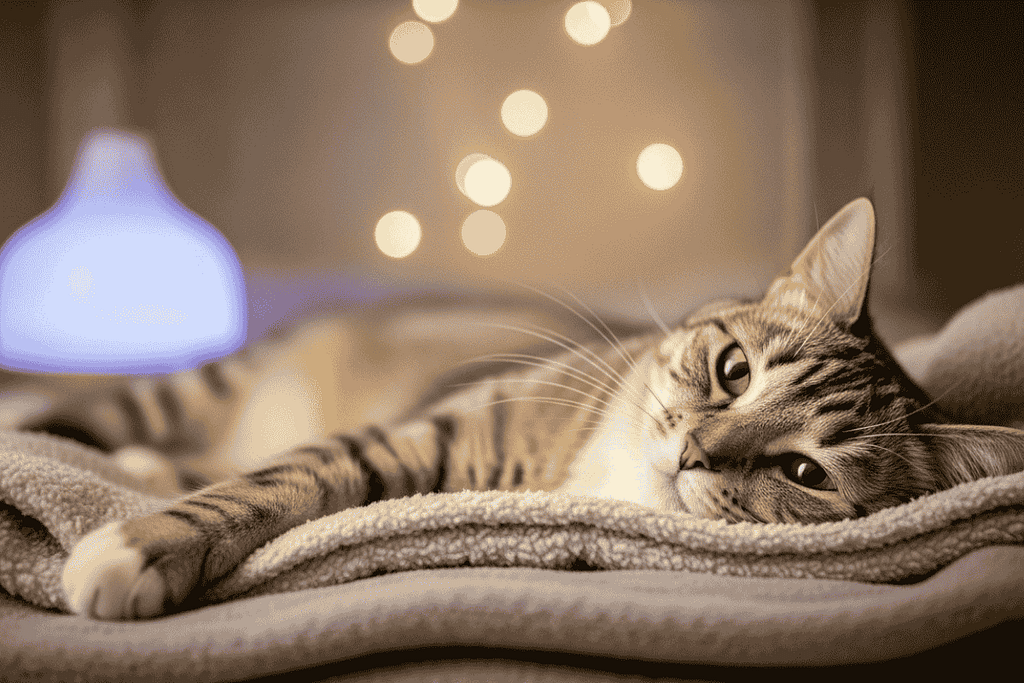
? Create a Safe Space
Every cat needs a place where they feel completely secure. Set up a quiet room or area with their bed, favorite toys, food, water, and litter box.
This becomes their sanctuary when the world feels overwhelming. Make sure it’s away from loud noises, foot traffic, and other pets. Let them retreat there whenever they need to.
? Maintain Routine
Cats thrive on predictability. Feed your cat at the same times every day, play with them on a regular schedule, and keep their environment as consistent as possible.
Even small routines matter. If you always give your cat treats after dinner, keep doing it. These predictable moments help anxious cats feel more secure.
? Provide Mental Stimulation
Interactive play sessions are amazing for anxious cats. Spend at least 15-20 minutes twice a day engaging your cat with feather wands, laser pointers, or toy mice.
Puzzle feeders and treat-dispensing toys also give your cat something productive to focus on instead of their anxiety. Mental stimulation is just as important as physical exercise.
? Use Calming Techniques
Gentle petting and slow blinks can help calm your anxious cat. Soft music or white noise machines can also create a more peaceful environment.
Some cats respond wonderfully to being wrapped in a soft blanket or wearing an anxiety wrap. The gentle pressure can be incredibly soothing for nervous cats.
? Best Products to Calm an Anxious Cat
Sometimes your anxious cat needs a little extra help, and that’s where calming products come in. These aren’t magic solutions, but they can make a real difference.
| Product Type | How It Works | Best For | Results Timeline |
|---|---|---|---|
| Pheromone Diffusers | Releases calming scents continuously | General anxiety, multi-cat homes | 1-2 weeks |
| Calming Sprays | Spot treatment with pheromones | Travel, new furniture, specific areas | Immediate to 24 hours |
| Anxiety Treats | Natural ingredients (L-theanine, chamomile) | Daily stress management | 2-4 weeks regular use |
| Comfort Beds | Self-warming, enclosed designs | Cats who hide, need security | Immediate |
| Interactive Toys | Mental stimulation, prey simulation | Boredom-related anxiety | Immediate during play |
| Anxiety Wraps | Gentle pressure therapy | Noise phobias, travel anxiety | Immediate |
| Prescription Meds | Regulates brain chemistry | Severe, chronic anxiety | 2-6 weeks |
? Calming Diffusers and Sprays
Pheromone diffusers release synthetic versions of the calming pheromones that cats naturally produce. They plug into your wall and continuously release these feel-good scents.
Calming sprays work similarly but are great for spot-treating areas like cat carriers, new furniture, or your cat’s bedding. Many cat owners swear by these products for reducing cat anxiety symptoms.
? Anxiety-Relief Treats and Supplements
There are specially formulated treats and supplements containing ingredients like L-theanine, chamomile, and valerian root that promote relaxation in cats.
These work best when given regularly, not just during stressful moments. Think of them as supporting your cat’s overall stress management rather than being an instant fix.
?️ Comfort Items and Toys
Self-warming beds, covered hideaway beds, and elevated perches give anxious cats options for where they feel most comfortable. Having choices reduces anxiety.
Interactive toys that mimic prey movements tap into your cat’s natural hunting instincts and provide a healthy outlet for stress and energy.
? When to Consider Medication
For severe cat anxiety symptoms that don’t improve with environmental changes and calming products, medication might be necessary. This isn’t something to feel bad about.
Anti-anxiety medications prescribed by your vet can be life-changing for cats with chronic anxiety. They’re especially helpful during transitions or for cats with trauma histories.
? When to See a Veterinarian
Sometimes cat anxiety symptoms indicate underlying health issues, or the anxiety itself becomes so severe that professional help is essential.
| Urgency Level | Symptoms | Action Needed |
|---|---|---|
| ? Emergency | Not eating/drinking 24+ hours, self-harm, severe aggression | Call vet immediately |
| ⚠️ Urgent | Symptoms worsening, can’t perform daily activities | Schedule within 24-48 hours |
| ? Soon | Mild symptoms lasting 2+ weeks, no improvement with home care | Schedule within 1 week |
| ? Preventive | New cat, rescue adoption, planning major change | Proactive consultation |
? Warning Signs That Need Professional Help
If your cat stops eating for more than 24 hours, becomes aggressive toward people or other pets, or shows signs of self-harm through excessive grooming, call your vet immediately.
Also seek help if your cat’s anxiety seems to be getting worse despite your efforts, or if they’re so anxious they can’t perform normal activities like eating, drinking, or using the litter box.
? What to Expect at the Vet
Your vet will first rule out medical causes for the symptoms you’re seeing. Many health conditions can mimic or contribute to anxiety, so bloodwork and a physical exam are important.
They’ll ask detailed questions about your cat’s behavior, environment, and routine. Be prepared to share specific examples of the cat anxiety symptoms you’ve noticed and when they started.
❓ Questions to Ask Your Vet
Don’t leave the appointment without understanding your options. Ask about behavioral modifications, calming products, medication options, and what success looks like.
Find out what warning signs mean you should call back, how long it typically takes to see improvement, and whether a referral to a veterinary behaviorist might be helpful.
❓ Frequently Asked Questions About Cat Anxiety
Can cat anxiety go away on its own?
Mild, situational anxiety (like during a thunderstorm) often resolves once the trigger is gone. However, chronic cat anxiety symptoms rarely disappear without intervention. Your cat needs your help to learn coping strategies and feel safe again. The good news is that with proper care, most anxious cats show significant improvement within 4-8 weeks.
How long does it take to calm an anxious cat?
It depends on the severity and cause. Minor anxiety from environmental changes might improve in 1-2 weeks with proper support. Moderate to severe anxiety typically takes 4-8 weeks of consistent intervention. Rescue cats with trauma histories may need several months. Patience is key – you’re helping your cat rewire their stress response, which takes time.
What is the #1 symptom of cat anxiety?
Hiding excessively is the most common cat anxiety symptom. If your once-social cat suddenly spends most of their time under the bed or in closets, anxiety is likely the culprit. This behavior is your cat’s way of seeking safety when they feel overwhelmed or threatened.
Do cats grow out of anxiety?
Not usually. While kittens may outgrow some fearfulness as they mature, true anxiety disorders don’t resolve with age alone. In fact, untreated anxiety can worsen over time as your cat develops more ingrained coping patterns. Early intervention gives you the best chance for long-term improvement.
What is the best natural remedy for cat anxiety?
Pheromone diffusers are consistently the top-rated natural solution for cat anxiety symptoms. They work by mimicking the calming facial pheromones cats naturally produce. Combined with routine maintenance and environmental enrichment, most cat owners see noticeable improvements within 2-3 weeks without any medication.
Can I give my cat MEDICATION for anxiety?
Never give your cat any medication without consulting your veterinarian first. While some vets do prescribe antihistamines for certain situations, the wrong dose can be dangerous. Your vet needs to determine the appropriate medication and dosage based on your cat’s weight, health status, and specific anxiety triggers.
Is catnip good for anxious cats?
Catnip affects cats differently – about 30% of cats don’t respond to it at all. For cats that do respond, catnip typically causes excitement rather than calm. For anxiety, look for calming herbs like valerian root or chamomile instead. These are often found in anxiety-relief treats specifically formulated for stressed cats.
How much does it cost to treat cat anxiety?
Basic treatment with pheromone diffusers and calming products typically costs $30-60 monthly. A veterinary consultation runs $50-150. If prescription medication is needed, expect $20-50 monthly. Severe cases requiring a veterinary behaviorist can cost $300-500 for consultation plus ongoing treatment. Most cases respond well to moderate-cost interventions.
Can moving cause permanent anxiety in cats?
Moving is one of the biggest triggers for cat anxiety symptoms, but it’s rarely permanent. Most cats adjust to a new home within 4-8 weeks if you help them transition properly. Create a safe room first, maintain their routine, and use pheromone diffusers. Cats are resilient – with your support, they’ll settle into their new environment.
Should I get another cat to help my anxious cat?
This usually backfires. Anxious cats typically become more stressed with a new cat in their territory, not less. Unless your cat’s anxiety stems specifically from loneliness (rare), adding another cat will likely worsen their symptoms. Focus on addressing the root cause of anxiety before considering a companion.
What foods help calm anxious cats?
Look for cat foods or supplements containing L-tryptophan, which helps produce serotonin (the calming neurotransmitter). L-theanine and omega-3 fatty acids also support stress management. Many brands now offer “calming” formulas specifically designed for anxious cats. Combine these with behavioral modifications for best results.
When should I consider medication for my cat’s anxiety?
Consider medication when cat anxiety symptoms are severe, don’t improve after 6-8 weeks of environmental modifications and calming products, interfere with basic functions (eating, using litter box), or cause self-harm through excessive grooming. Medication isn’t a failure – it’s a tool that helps your cat feel comfortable enough to benefit from other interventions.
? You Can Help Your Cat Feel Better
Here’s what I want you to remember: cat anxiety symptoms are your cat’s way of communicating that they need help. And you’re already helping by learning how to recognize these signs.
Whether your cat is hiding more, meowing excessively, or showing physical signs of stress, there are real solutions available. Start with creating that safe space and maintaining routine – those two things alone can make a huge difference.
Don’t hesitate to try calming products or reach out to your vet if things aren’t improving. Your cat depends on you to be their advocate and help them navigate this stressful time.
You’ve got this. And more importantly, your cat is lucky to have someone who cares enough to learn about their anxiety and take action. That love and attention is already making a difference in their life.
? Want to Create a More Anxiety-Free Home for Your Cat?
Now that you understand cat anxiety symptoms, you might be wondering how to transform your space into a true sanctuary for your anxious cat. Environmental enrichment plays a huge role in reducing stress and helping cats feel secure.
Learn how to catify your home: Discover proven strategies to create vertical spaces, hiding spots, and safe zones that naturally reduce anxiety. Our complete Guide on Catification shows you exactly how to design a cat-friendly environment that prevents stress before it starts.
Keep your cat mentally stimulated: Bored cats often develop anxiety symptoms. Check out our Guide on the best interactive toys for cats to find the best options for keeping your cat engaged, active, and stress-free. The right toys can make all the difference in managing anxiety naturally.
?Remember, helping your anxious cat isn’t just about managing symptoms – it’s about creating an environment where they can truly thrive.
? Want Science-Backed Tips for a Happier Cat?
Small behavior adjustments can transform your cat’s daily comfort and well-being. Explore evidence-based guidance in Cat Behavior Tips Backed by Science for Happier Cats .

With the sensitivity of one who loves deeply, Sissi writes stories celebrating the animal world. Her felines Estrela and Safira illuminate her days, while Pete and Gabrich live eternally through her words. Every piece she writes is a love letter to the companions who make life truly meaningful.