
? How to Keep a Senior Cat Calm at Home: A Complete, Vet-Informed Guide
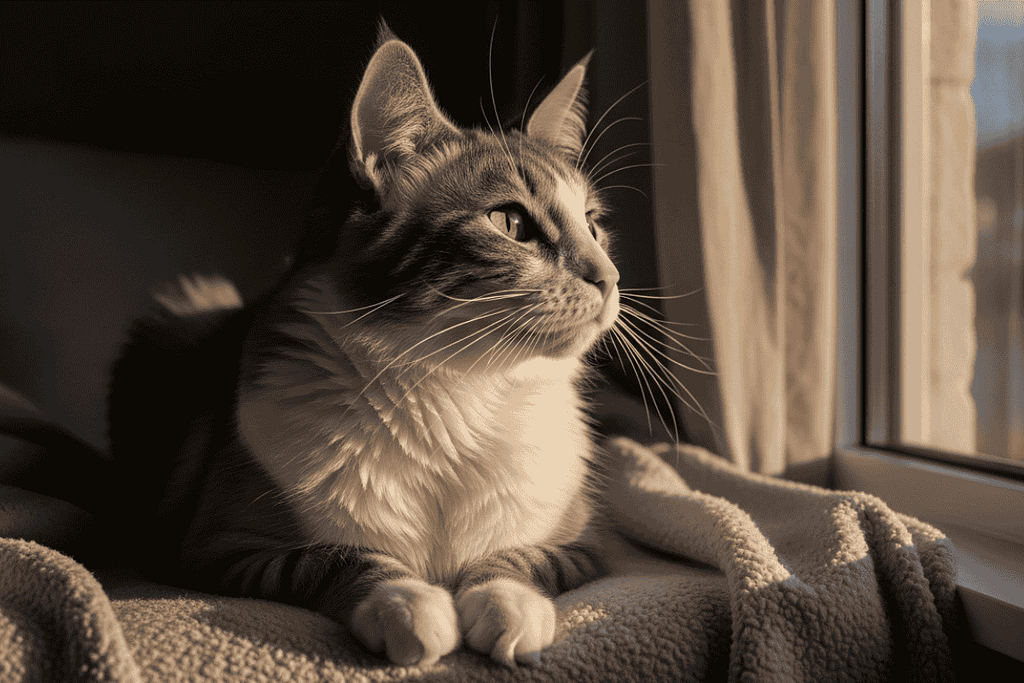
To keep a senior cat calm, focus on predictable routines, gentle enrichment, pain control, accessible resting areas, and a low-stimulation environment. These adjustments reduce stress, support mobility, and promote comfort as your cat ages.
? Introduction
As cats enter their senior years, understanding how to keep a senior cat calm becomes one of the most important parts of daily care. Aging affects mobility, sleep cycles, sensory perception, and the way older cats respond to stress. Sudden noises, changes in routine, or small disruptions that never bothered them before can now lead to anxiety, irritability, or withdrawal.
At A Cat With Story, after supporting countless guardians through senior cat behavior changes, we’ve seen the same pattern: calm behavior in senior cats isn’t luck — it’s intentionally built through daily habits and thoughtful environmental adjustments.
This guide brings a complete, practical system to help you understand how to keep a senior cat calm, reduce anxiety at home, support aging joints, and create a predictable, comforting environment where your older cat can thrive.
? Why Senior Cats Need a Calm Environment
Senior cats experience changes in mobility, sensory perception, and emotional resilience. As they age, their ability to handle stress decreases, making it essential to understand how to keep a senior cat calm in daily life.
Older cats typically become more sensitive to:
- noise and sudden movements
- changes in routine
- environmental disruptions
- unfamiliar people or pets
- cold temperatures
- difficulty navigating furniture
This is why establishing a calm and predictable home environment is one of the most effective ways to reduce senior cat stress at home.
? Subtle Signs of Stress in Senior Cats
Learning how to keep a senior cat calm starts by recognizing early stress signals. Unlike younger cats, senior cats rarely show dramatic reactions. Their discomfort is quiet and subtle:
- hiding more than usual
- stiff or hesitant walking
- pacing or nighttime vocalization
- trembling or restlessness
- avoiding interaction
- reduced grooming
- decreased appetite
These signs indicate that your cat needs emotional support and environmental adjustments to stay calm.
? How the Home Environment Influences the Behavior in Senior Cats
The environment is one of the strongest factors in how to keep a senior cat calm. Older cats rely on environmental predictability to navigate safely and confidently.
Stress triggers for senior cats include:
- cluttered walkways
- slippery floors
- dark or poorly lit hallways
- loud televisions or appliances
- chaotic family routines
- inaccessible resting areas
A calm environment reduces confusion, supports mobility, and encourages relaxation. Research from the Cornell Feline Health Center shows that structured environments can decrease senior cat stress levels by up to 40%.
This is why creating a calm home for older cats is a core strategy for long-term behavior stability.
? The Calm Senior Cat Framework: Foundations for How to Keep a Senior Cat Calm
A successful plan to keep a senior cat calm includes six essential pillars:
- predictable daily routines
- gentle enrichment
- mobility support and accessibility
- pain management
- warm, safe resting zones
- emotional safety and low stimulation
This framework ensures that your approach is consistent, sustainable, and aligned with how older cats perceive their environment.
? 1. Establish Predictable Routines to Help Keep a Senior Cat Calm
Routine is one of the most powerful tools for how to keep a senior cat calm.
Older cats relax when life is consistent. Sudden disruptions create stress, confusion, and restlessness.
Use:
- fixed feeding times
- calm mornings and evenings
- predictable interaction windows
- soft transitions between activities
A stable routine tells an older cat:
“You are safe. You know what comes next.”
This reduces anxiety significantly.
? 2. Create a Low-Stress Environment
One of the most effective strategies for how to keep a senior cat calm is simplifying the physical environment.
Provide:
- quiet resting spaces
- stable, low perches
- warm blankets and soft textures
- hideaways where your cat can retreat
- low background noise
- familiar, steady furniture layout
A low-stimulation environment prevents overwhelm and supports emotional security in older cats.
? 3. Gentle Enrichment to Support Calm Behavior in Senior Cats
Enrichment is still important — but it must be gentle, predictable, and low-intensity.
Choose activities that stimulate the mind without tiring the body.
Examples:
- slow wand toys
- scent-based enrichment (catnip, silvervine, herbs)
- soft tunnels
- brushed textures and tactile surfaces
- puzzle feeders with low difficulty
This creates curiosity without overstimulation, improving relaxation and confidence.
? 4. Mobility Support
Mobility challenges are one of the main reasons senior cats experience stress.
A cat that struggles to move cannot feel calm.
Support mobility with:
- ramps or steps to beds and sofas
- rugs to prevent slipping
- clear walkways
- low-entry litter boxes
- easily reachable food and water
This not only protects joints but also prevents anxiety triggered by physical effort or pain.
? 5. Pain Management
Pain is one of the biggest causes of senior cat anxiety.f
Signs of pain include:
- reluctance to jump
- slow rising from sleep
- irritability
- flinching
- decreased grooming
Talk to your veterinarian about:
- arthritis treatment options
- anti-inflammatory medication
- joint supplements
- dental evaluations
A pain-free cat is a calm cat.
?️ 6. Calm Mealtime Strategies for Senior Cats
Mealtime stress is common in older cats. Dental issues, appetite changes, and competition from other pets all interfere with calm behavior.
To support how to keep a senior cat calm, you can:
- warm food lightly to enhance aroma
- serve soft textures for dental comfort
- offer food in quiet, non-competitive zones
- maintain consistent feeding times
Predictability at mealtime reduces tension and supports emotional balance.
? 7. Gentle Hygiene Routines to Maintain Calm Behavior in Senior Cats
Senior cats often struggle with grooming due to stiffness or pain. This can lead to discomfort, which affects behavior.
Use:
- soft brushes
- short, calm grooming sessions
- regular checks for mats
- easy-access litter boxes with low sides
When a senior cat feels physically comfortable, they are naturally calmer.
? Senior-Friendly Home Adaptations to Help Keep a Senior Cat Calm
Here are simple home adjustments that make a big difference in how to keep a senior cat calm:
- add nightlights to prevent confusion
- create warm sleeping zones
- offer stable, low-height observation spots
- reduce household noise
- keep important areas on one level
These adaptations support mobility, safety, and emotional comfort.
? Nutrition, Pain & Comfort
Nutrition plays a direct role in calm behavior. A comfortable senior cat needs:
- balanced energy
- joint support
- digestive stability
- predictable feeding routines
Nutritional stability helps older cats maintain a steady mood throughout the day.
? Red Flags: Signs Your Senior Cat Is No Longer Calm
Monitor for:
- sudden hiding or withdrawal
- nighttime disorientation
- reduced appetite
- stiff movement or limping
- increased vocalization
- litter box changes
- restless pacing
These may indicate pain, cognitive shifts, or environmental stress. They often mean it’s time to rethink your plan for how to keep a senior cat calm.
? 4-Week Action Plan on How to Keep a Senior Cat Calm at Home
Week 1: Reset the environment + adjust feeding routine
Week 2: Add gentle enrichment + maintain predictability
Week 3: Evaluate pain signals + adjust lighting
Week 4: Review red flags + optimize resting areas + prepare vet questions
This structured plan helps you maintain calm behavior long-term.
? Practical Comparison Table
| Environment Area | Description | Impact on Calm Behavior |
|---|---|---|
| Routine | Predictable feeding, sleep, and play schedules; consistent timing for daily interactions. | Reduces anxiety by providing structure and emotional security. |
| Enrichment | Low-intensity, gentle activities: scent trails, slow toys, soft textures, and easy foraging puzzles. | Encourages curiosity without overstimulation; prevents boredom and agitation. |
| Mobility | Ramps, non-slip rugs, clear pathways, low-entry litter boxes, and reachable food/water stations. | Reduces physical strain and fear of movement — lowers stress and increases confidence. |
| Pain Care | Veterinary assessment, appropriate medications or supplements, warm resting spots, and dental care. | Improves mood and mobility; directly decreases irritability and anxiety caused by discomfort. |
? Trusted References for Senior Cat Calmness
Cornell Feline Health Center
AVMA — Senior Cats
Merck Veterinary Manual
Want to go deeper into senior cat care?
If you’re building a calm, comfortable routine for your aging feline, you’ll love our full guide.
? Read the Complete Senior Cat Care Guide (10+ Years) — your roadmap to mobility, stress reduction, comfort, and long-term well-being.
Because a calmer senior cat starts with a guardian who understands their whole world. ?✨
❓ FAQ: How to Keep a Senior Cat Calm
How do I keep a senior cat calm?
Use routine, gentle enrichment, warm resting zones, mobility support, and pain control.
Why do senior cats become more anxious?
Age-related changes make older cats more sensitive to noise, movement, and unpredictability.
How can I reduce senior cat stress at home?
Lower noise, add ramps, soften lighting, and maintain predictable feeding patterns.
Still wondering what food best supports your senior cat’s comfort?
Calm behavior and nutrition walk hand in paw — especially as cats age.
?️ Read Wet vs Dry Food for Senior Cats and discover which option (or combination!) helps reduce stress, supports hydration, and keeps your older cat feeling more relaxed every day.

With the sensitivity of one who loves deeply, Sissi writes stories celebrating the animal world. Her felines Estrela and Safira illuminate her days, while Pete and Gabrich live eternally through her words. Every piece she writes is a love letter to the companions who make life truly meaningful.