
Cat Behavior Explained: Science-Backed Tips for a Happier Feline Life
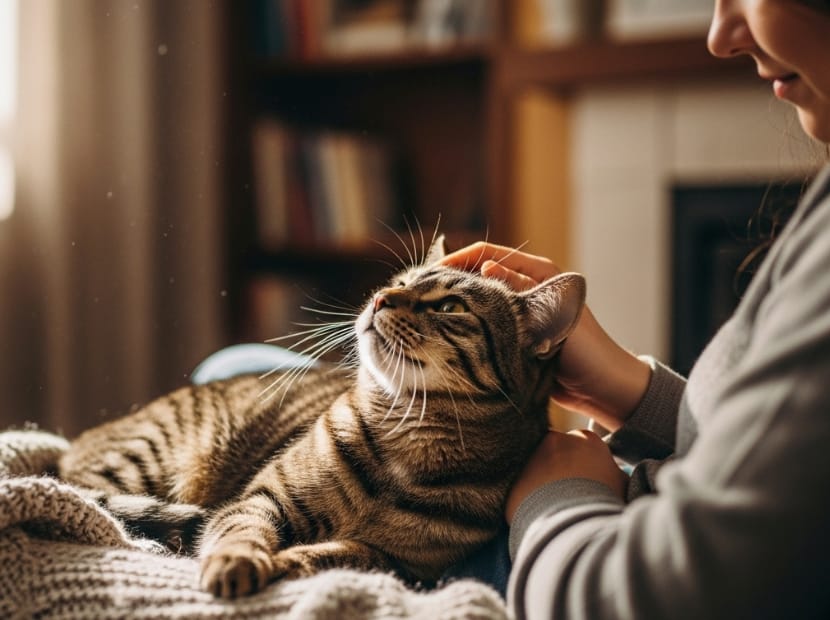
Cat behavior explained by science helps us understand how cats communicate, bond, and express emotions through subtle daily behaviors.
Understanding your cat’s behavior is the foundation of a strong, trusting human–animal bond. Cats are subtle communicators, guided by feline ethology, survival instincts, emotional regulation, and environmental perception.
Every movement—the slow blink, a gentle headbutt, a tail flick—is shaped by neurobiology, instinct, memory, and emotional state. This science-based guide explains what your cat’s behavior truly means and how it impacts their well-being.
? Today’s Tip: Observe your cat’s natural behavioral baseline before trying to change anything. Understanding comes before correction.
? Cat Behavior Explained Through Feline Ethology and Brain Science
Cat behavior is rooted in feline ethology, the scientific study of natural feline behavior. Even after thousands of years of domestication, cats still operate through:
- Survival instincts
- Predator behavior and prey drive
- Emotional regulation controlled by the brain
- Hormonal responses such as cortisol (stress) and oxytocin (bonding)
For example, purring is not only a sign of pleasure — low-frequency purrs (25–150 Hz) are linked to:
- Stress reduction
- Tissue healing
- Emotional self-soothing
This is why cat behavior explained by science is never just emotional—it is deeply biological.
Want to go deeper into feline communication? Discover how tail movements, ear positions, and eye signals reveal your cat’s emotional state in our complete Cat Body Language Guide.
? Cat Behavior Explained by Environment, Territory, and Routine
A cat’s environment directly shapes their emotional stability and behavior. Key environmental entities that influence behavior include:
- Environmental enrichment
- Territory marking
- Vertical territory
- Sensory triggers (sounds, smells, movement)
- Circadian rhythm
Unstable environments may trigger:
- Hiding behavior
- Aggression
- Hypervigilance
- Resource guarding
While enriched spaces with:
- Shelves
- Cat trees
- Predictable routines
- Safe hiding spots
promote confidence, exploration, and emotional balance.
? Cat Behavior Explained Through Vocalization, Body Language, and Instinct
Cats communicate through a complex fusion of body language and sound:
? Vocalizations
- Meowing is primarily reserved for humans
- Chirping and chattering reflect hunting frustration
- Yowling may signal distress, pain, or territorial conflict
? Body Language
- Tail signals: upright tail = confidence; twitching tip = overstimulation
- Ear positions: forward = curiosity; flattened = fear or defensiveness
- Head bunting: pheromone marking and affection
- Kneading: emotional security from kittenhood
These signals are how cat behavior is explained through instinct-driven communication.
Think you understand your cat’s meows? Learn how different sounds express needs, stress, affection, and frustration in our Vocalization & Meows series.
? Cat Behavior Explained Through Stress, Anxiety, and Emotional Balance
Stress and emotional imbalance silently alter feline behavior. Key behavioral health entities include:
- Chronic stress
- Separation anxiety
- Hypervigilance
- Compulsive grooming (overgrooming)
- Pain-related behavior
Warning signs of emotional dysregulation:
- Appetite changes
- Social withdrawal
- Aggression without clear trigger
- Excessive licking
- Litter box aversion
Predictable routines and emotional safety are critical for behavioral homeostasis.
If your cat hides, over-grooms, or seems constantly tense, explore our Anxiety & Emotional Balance articles to restore emotional safety.
? Cat Behavior Explained in the Human–Animal Bond
Cats form emotional bonds through trust-based social bonding, not dominance. Healthy attachment is built through:
- Slow blinking (trust signal)
- Head bumps
- Consent in handling
- Positive reinforcement
Scientific research shows that cats remember emotional interactions and adapt behavior accordingly. Fear-based handling damages trust, while gentle interactions strengthen attachment.
? What Science Reveals About Feline Behavior
Modern studies confirm that:
- Cats modify their vocal patterns specifically for humans
- Affection signals reflect emotional security
- Enriched environments lower stress response
- Cats store behavioral memory from past experiences
- Emotional trauma can shape behavior long-term
? Fun Fact: Vertical spaces reduce anxiety by activating a cat’s natural territorial scanning instinct.
? Common Behavioral Mistakes That Disrupt Emotional Balance
- Forcing attention
- Ignoring overstimulation signals
- Neglecting environmental enrichment
- Misreading vocalizations
- Inconsistent routines
These mistakes elevate stress hormones and damage trust.
✅ Practical Tips to Support Healthy Feline Behavior
- Add vertical shelves or trees
- Rotate toys weekly
- Create silent resting zones
- Use interactive hunting play
- Respect withdrawal signals
Small daily actions deeply impact emotional regulation and behavioral stability.
? Normal vs. Abnormal Behavior: How to Tell the Difference (SEO Semântico)
Normal behavior aligns with:
- Instinct
- Context
- Emotional state
Abnormal behavior is marked by:
- Sudden personality change
- Persistent fear or aggression
- Compulsive behaviors
- Loss of social tolerance
When behavior shifts without environmental cause, professional evaluation is recommended.
What does “cat behavior explained” really mean?
Cat behavior explained refers to understanding how instinct, brain function, emotions, environment, and social bonding shape a cat’s actions, body language, and vocal communication in daily life.
Why do cats show such subtle body language?
Cats evolved as both predators and prey, which makes their body language intentionally subtle. Small movements of the tail, ears, eyes, and posture are key survival communication signals.
Is purring always a sign of happiness?
No. While purring often signals comfort, it can also appear during pain, stress, fear, or self-soothing moments. This dual function is well documented in feline behavior science.
How do I know if my cat’s behavior is normal or a warning sign?
Normal behavior matches context, routine, and personality. Sudden changes, aggression without trigger, excessive hiding, overgrooming, or litter box refusal may signal emotional or medical issues.
Can the environment really change my cat’s behavior?
Yes. Lack of vertical space, sensory overload, unpredictable routines, or poor territory distribution can directly cause anxiety, aggression, and stress-related behaviors.
Do cats form emotional bonds with humans?
Yes. Cats form attachment bonds based on trust, safety, routine, and positive reinforcement. Slow blinking, head bunting, following behavior, and proximity seeking are major bonding indicators.
When should I seek professional help for my cat’s behavior?
If you notice persistent aggression, sudden fear, social withdrawal, compulsive grooming, or elimination problems, a veterinarian or feline behaviorist should evaluate your cat.
? Final Reflection: Cat Behavior Explained Is the Language of Trust
Understanding cat behavior is not about control—it is about communication, emotional literacy, and respect for instinct. Each slow blink, tail movement, and vocal sound is a sentence in your cat’s emotional language.
Your awareness shapes your cat’s emotional world
For a deeper scientific perspective on feline behavior and emotional health, explore the research and veterinary insights developed by Cornell University.

With the sensitivity of one who loves deeply, Sissi writes stories celebrating the animal world. Her felines Estrela and Safira illuminate her days, while Pete and Gabrich live eternally through her words. Every piece she writes is a love letter to the companions who make life truly meaningful.