
? Pain Signs in Senior Cats: A Comprehensive Guide to Understanding Discomfort in Aging Cats
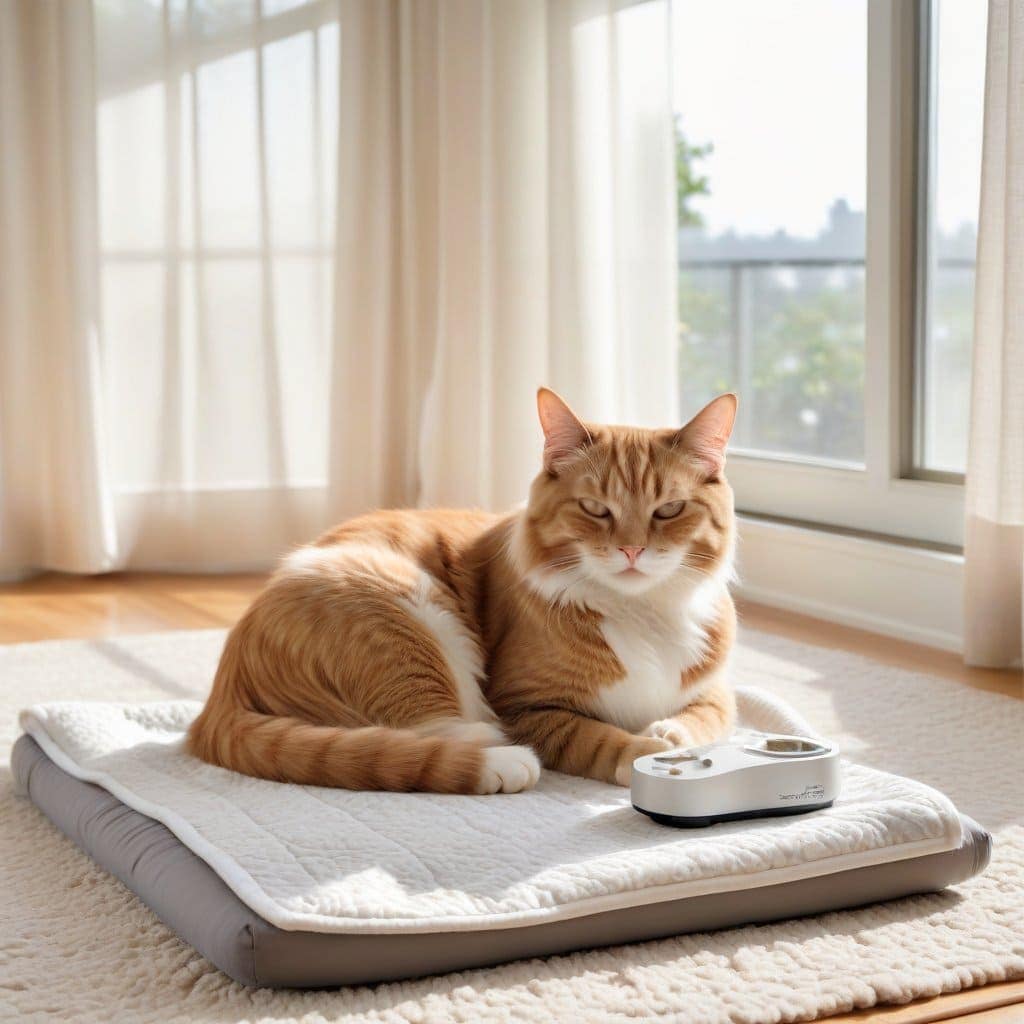
Pain in senior cats often appears as subtle changes in mobility, posture, grooming, appetite, and behavior. Older cats rarely vocalize when in pain; instead they may hesitate to jump, move stiffly, hide more, avoid being touched, or show changes in daily routines. Recognizing these early helps owners support veterinarian-guided care.
This article is for educational purposes only and does not replace professional veterinary advice, diagnosis or treatment. Always consult your veterinarian if you are concerned about your cat’s health.
Introduction: Why Pain Behaves Differently in Older Cats
Aging changes everything about how a cat experiences and expresses pain. Senior cats often lose muscle mass, flexibility, and sensory precision. Their joints carry years of wear, their recovery from activity slows, and many develop age-related conditions like arthritis or dental discomfort.
But despite these physical changes, cats are expert pain-maskers. They instinctively avoid showing weakness—an evolutionary survival strategy.
This means pain in older cats looks nothing like human pain.
There is no crying, no dramatic reactions, no obvious facial expressions.
Pain in senior cats is quiet.
It reveals itself through subtle shifts in:
- movement patterns
- grooming habits
- sleep cycles
- appetite
- posture
- mood and social behavior
This guide is designed to help you decode these signals—safely, responsibly, and without trying to diagnose at home.
?How Aging Changes Pain Signs in Senior Cats
Before identifying pain signs, it helps to understand the body changes behind them:
1. Reduced muscle mass (sarcopenia)
Senior cats naturally lose muscle, especially in the spine and hind limbs.
This makes:
- jumping harder
- landing uncomfortable
- posture less stable
2. Joint stiffness and decreased flexibility
Cartilage thins with age, reducing shock absorption. Cats feel:
- stiffness after rest
- slower movements
- hesitation before climbing or descending
3. Slower nerve conduction and sensory decline
Vision, depth perception, and hearing often decline.
This makes cats more cautious — sometimes mistaken for “behavioral” pain.
4. Lowered pain threshold
Older cats may become more sensitive to small stressors, temperature changes, or handling.
5. Chronic conditions compound subtle pain
Common senior conditions include:
- arthritis
- dental disease
- kidney discomfort
- muscle atrophy
These produce layered signs that owners often mistake for “just aging.”
Understanding physiology helps you interpret observation correctly — without diagnosing.
? Want to support your senior cat with even more comfort?
Read our Senior Cat Care Guide (10+ Years) and build a calmer, safer everyday routine your older kitty will love.
?Comprehensive Pain Signs in Senior Cats (What Owners Should Watch For)
Here are the main categories of pain indicators with deeper explanations.
1. Mobility-Related Pain Signs
These are the most recognized and often the earliest signs:
- slower movement after sleep
- stiffness when walking or turning
- reluctance to jump to previously easy heights
- placing hind feet closer together to stabilize
- difficulty going down stairs (worse than going up)
- avoiding slick surfaces
- “bunny hopping” down steps (using both back legs at once)
Why mobility pain looks this way:
Painful joints struggle with compression forces.
Cats adjust by:
- minimizing flexion
- shortening their stride
- reducing impact through lower surfaces
2. Postural Pain Indicators
Older cats often adopt protective postures:
- arched or hunched spine
- sitting with limbs tucked tightly
- reluctance to stretch fully
- favoring one side or hip
- resting upright instead of lying on the side
These postures help reduce strain on inflamed or stiff areas.
3. Behavioral and Emotional Signs
Pain affects confidence, mood, and interaction:
- avoiding being picked up
- reduced social behaviors
- increased irritability
- aggression when touched in specific spots
- withdrawal or hiding
- changes in sleep location (seeking hidden, warm, or padded surfaces)
Why it happens:
Chronic pain triggers stress hormones and alters behavior. Cats self-protect.
4. Eating, Drinking & Oral Pain Signs
Dental disease is extremely common in seniors, affecting how they eat:
- chewing on one side only
- dropping food
- preferring soft food
- pawing at the mouth
- bad breath
- choosing smaller, more frequent meals
When mobility pain is present, cats may struggle to reach raised bowls or high-sided feeders.
5. Grooming and Coat-Condition Signs
One of the strongest senior pain indicators:
- ungroomed lower back or hips
- matted coat
- excessive licking of a painful area
- reduced grooming of paws or belly
Why?
Pain restricts flexibility. If a cat can’t twist comfortably, they stop grooming that area.
6. Litter Box Changes
Pain affects posture and accessibility:
- trouble stepping into high-sided boxes
- accidents near but not inside the box
- stiff, guarded posture when urinating/defecating
- avoiding stairs to reach the litter box
Older cats often choose locations with less physical effort.
? What Research Tells Us About Pain in Senior Cats
- 60–90% of senior cats show radiographic signs of osteoarthritis (International Cat Care, 2023).
- Dental disease becomes increasingly common with age and often goes undetected.
- Kidney disease, frequent in older cats, can contribute to subtle discomfort and energy changes.
- Many caregivers underestimate low-grade chronic pain until symptoms become significant.
These numbers emphasize the value of early observation, not diagnosis.
? Daily Observation Framework for Spotting Pain Signs in Senior Cats
Use this simple structure once per day:
1. Movement
- How easily did your cat stand after rest?
- Did they struggle with jumps?
- Any stiffness or hesitation?
2. Eating + Drinking
- Appetite changes?
- Preference for softer textures?
- Dropping food?
3. Grooming
- Coat smooth or unkempt?
- Overgrooming a specific spot?
4. Behavior & Mood
- Hiding?
- Reduced social contact?
- Irritability when touched?
5. Litter Box
- Access difficulty?
- Posture changes?
Recording these reveals patterns your vet will find invaluable.
7-Day Plan to Identify Pain Signs in Senior Cats at Home
Day 1–2: Movement Baseline
Note stiffness, ease of standing, jumps attempted or avoided.
Day 3: Posture & Rest Patterns
Check sitting/lying posture and resting location.
Day 4: Eating & Oral Behavior
Observe chewing pattern, appetite, and mouth sensitivity.
Day 5: Grooming Ability
Check coat texture, reach, and any overgrooming.
Day 6: Litter Box Pattern
Note entry, exit, posture, frequency.
Day 7: Summary
Combine notes → share with your veterinarian.
? 4-Week Comfort Optimization Plan
Week 1 — Environment Adaptations
- soft bedding
- warm resting spots
- ramps / step stools
- reduce slippery floors
Week 2 — Routine Stabilization
- predictable feeding times
- gentle play
- minimize noise changes
Week 3 — Supportive Adjustments
- low-entry litter box
- elevated food/water bowls
- quiet safe zones
Week 4 — Review & Report
- summarize improvements or declines
- send observations to your vet
- adjust setup accordingly
These changes significantly improve comfort for older cats.
? Vet-Communication Kit (Comprehensive Version)
Bring this list to appointments.
What to Share
- date when signs first appeared
- frequency and severity of behavior changes
- videos of walking, jumping, and resting
- appetite fluctuations
- grooming differences
- litter box access and posture
Questions to Ask
- Could these patterns indicate chronic pain?
- Which signs should prompt urgent care?
- How often should we schedule reevaluations?
- Are environmental adjustments helping?
- What should I monitor before the next visit?
Good note-taking leads to better veterinary decisions.
? Comfort Strategies That Support Senior Cats
These are universally safe, non-medical, owner-managed steps:
- soft, warm sleeping areas
- non-slip flooring
- easy access to food, water, litter
- low-impact play
- gentle brushing
- consistent daily routine
- reduced jumping requirements
Small adjustments equal big relief.
❗ Red Flags Requiring Immediate Veterinary Attention
If you notice:
- sudden inability to walk
- refusal to eat for 24+ hours
- rapid breathing or distress
- continuous vomiting
- collapse or extreme lethargy
- intense vocalization
- sudden hiding paired with loss of appetite
Contact your vet urgently.
? Trusted Sources
Want the full senior-care roadmap?
Read the Senior Cat Care Guide (10+ Years)? Conclusion
Pain in senior cats is not loud.
It is quiet, slow, and layered with age-related changes.
This guide helps you interpret those signals—not to diagnose, but to support your veterinarian with meaningful observations. By understanding mobility changes, posture, grooming patterns and emotional shifts, you become the advocate your aging cat relies on.
Your attention, patience, and consistency create the comfort that medicine alone cannot provide.
? Confused about food choices for older cats?
Read our guide: Wet vs Dry Food for Senior Cats — a warm, practical look at what helps senior cats stay comfortable and well-hydrated.

With the sensitivity of one who loves deeply, Sissi writes stories celebrating the animal world. Her felines Estrela and Safira illuminate her days, while Pete and Gabrich live eternally through her words. Every piece she writes is a love letter to the companions who make life truly meaningful.